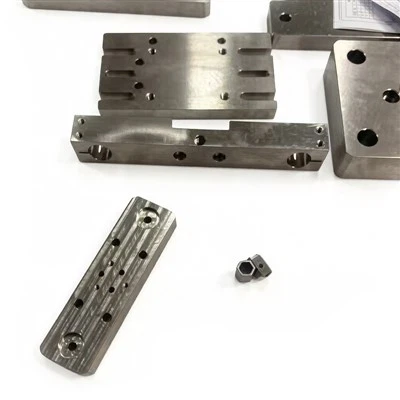
In the realm of manufacturing, CNC (Computer Numerical Control) milling parts play a pivotal role across various industries, from automotive to aerospace, electronics to medical devices. As a supplier of CNC milling parts, I’ve had the privilege of witnessing firsthand the diverse landscape of CNC milling production across different countries. Each nation brings its own unique set of strengths, challenges, and characteristics to the table, resulting in notable differences in the quality, cost, and overall performance of the CNC milling parts they produce. In this blog post, I’ll delve into these differences, shedding light on what sets CNC milling parts from different countries apart. CNC Milling Parts
Quality and Precision
One of the most significant factors that distinguish CNC milling parts from different countries is the level of quality and precision they offer. Countries with a long – standing tradition of precision engineering, such as Germany and Japan, are renowned for their high – quality CNC milling parts.
Germany has a reputation for its meticulous attention to detail and strict quality control standards. German manufacturers invest heavily in state – of – the – art equipment and highly skilled labor. The German education system emphasizes technical and vocational training, producing a workforce that is well – versed in the intricacies of CNC milling. As a result, German CNC milling parts are often characterized by their exceptional precision, tight tolerances, and high – quality surface finishes. These parts are commonly used in high – end applications where reliability and performance are paramount, such as in luxury cars and advanced machinery.
Japan, on the other hand, is known for its innovative manufacturing techniques and continuous improvement philosophy. Japanese CNC milling companies focus on lean manufacturing principles, which help to eliminate waste and improve efficiency. Their parts are often characterized by their high level of consistency and reliability. Japanese manufacturers are also at the forefront of developing new materials and manufacturing processes, which allows them to produce parts with unique properties and enhanced performance.
In contrast, some developing countries may face challenges in achieving the same level of quality and precision. While they may have lower labor costs, they may lack the advanced equipment, skilled workforce, and strict quality control measures found in more developed nations. However, many of these countries are rapidly improving their manufacturing capabilities and are becoming increasingly competitive in the global market.
Cost
Cost is another major factor that varies significantly among CNC milling parts from different countries. Developed countries like the United States and Western European nations generally have higher production costs due to factors such as higher labor costs, stricter environmental regulations, and higher overhead expenses.
In the United States, for example, the cost of labor is relatively high compared to many other countries. Additionally, American manufacturers are subject to a complex regulatory environment, which can add to the cost of production. As a result, CNC milling parts produced in the United States are often more expensive than those from countries with lower labor costs.
On the other hand, countries in Asia, such as China and India, are known for their cost – effective CNC milling solutions. China, in particular, has become a global manufacturing hub for CNC milling parts. The country benefits from a large and relatively inexpensive labor force, as well as a well – developed supply chain infrastructure. Chinese manufacturers are able to offer competitive prices without sacrificing too much on quality. They have also made significant investments in advanced manufacturing technologies, allowing them to produce high – quality parts at a lower cost.
India is also emerging as a major player in the CNC milling industry. The country has a large pool of engineering talent and a growing manufacturing sector. Indian manufacturers are able to offer cost – effective solutions, especially for small to medium – sized production runs.
Production Capacity and Lead Time
The production capacity and lead time of CNC milling parts can also vary from country to country. Countries with well – developed manufacturing infrastructure and a large number of CNC milling machines are generally able to handle larger production volumes and shorter lead times.
China has a massive production capacity in the CNC milling industry. The country has a vast number of manufacturing facilities, ranging from small – scale workshops to large – scale factories. This allows Chinese manufacturers to quickly ramp up production to meet large orders. Additionally, the well – established supply chain in China ensures that raw materials are readily available, further reducing lead times.
In contrast, some smaller countries or those with less developed manufacturing infrastructure may have limited production capacity. They may struggle to handle large – scale orders or may have longer lead times due to factors such as a shortage of equipment or skilled labor.
Innovation and Technology
Innovation and technology are key drivers in the CNC milling industry. Different countries have different levels of investment in research and development, which can lead to differences in the technological capabilities of their CNC milling parts.
The United States is a leader in technological innovation in the CNC milling industry. American companies invest heavily in research and development to develop new materials, manufacturing processes, and CNC milling machines. They are at the forefront of developing advanced technologies such as 5 – axis milling, which allows for more complex and precise machining.
European countries, such as Germany and Switzerland, are also known for their technological prowess in the CNC milling field. German companies are often pioneers in developing new CNC milling technologies and software, while Swiss companies are renowned for their high – precision machining and innovative tooling solutions.
In Asia, countries like South Korea and Taiwan are rapidly catching up in terms of technological innovation. South Korean companies are investing in advanced manufacturing technologies, such as automation and artificial intelligence, to improve the efficiency and quality of their CNC milling parts. Taiwan is also known for its high – tech manufacturing capabilities, especially in the production of precision components for the electronics industry.
Cultural and Business Practices
Cultural and business practices can also have an impact on the production and quality of CNC milling parts. For example, in some countries, there is a strong emphasis on long – term relationships and trust between suppliers and customers. In Japan, for instance, business relationships are often built on a foundation of mutual respect and loyalty. Japanese manufacturers are more likely to work closely with their customers to understand their needs and provide customized solutions.
In contrast, in some Western countries, the business culture may be more transaction – oriented. Customers may focus more on price and short – term contracts. This can sometimes lead to a different approach to quality control and production planning.
Conclusion
In conclusion, there are significant differences between CNC milling parts made in different countries. These differences stem from a variety of factors, including quality and precision, cost, production capacity, innovation, and cultural and business practices. As a supplier of CNC milling parts, it’s important to understand these differences in order to provide our customers with the best possible solutions.
Whether you’re looking for high – precision parts for a critical application or cost – effective solutions for a large – scale production run, there is a country that can meet your needs. By carefully considering the strengths and weaknesses of each country’s CNC milling industry, you can make an informed decision about which supplier is the best fit for your project.
If you’re in the market for CNC milling parts and want to discuss your requirements further, I’d be more than happy to have a conversation with you. Reach out to me to start a procurement discussion, and let’s work together to find the perfect CNC milling solution for your business.
Automation Parts References
- "Manufacturing Engineering Handbook", John Wiley & Sons
- "CNC Machining Technology", Industrial Press Inc.
- Industry reports from trade associations such as the American Mold Builders Association and the European Association of Machine Tool Industries.
Suzhou Huaquan Electromechanical Manufacturing Co., Ltd.
As one of the leading CNC milling parts manufacturers in China, we warmly welcome you to buy bulk customized CNC milling parts made in China here from our factory. If you have any enquiry about pricelist and free sample, please feel free to email us.
Address: No.7550 Mudong Road, Hengjing Town, Wuzhong District, Suzhou City, Jiangsu Province, China
E-mail: Huaquan2005@outlook.com
WebSite: https://www.huaquancnc.com/
