If you’re working with scraper feeder chains—whether you’re a plant manager, maintenance supervisor, or operations lead—at some point you’ll need to order spare parts. As someone who’s been supplying these chains for over a decade, I’ve seen too many folks make avoidable mistakes: ordering the wrong link pitch, skimping on quality to save a few bucks, or not sharing the right details that make the process take twice as long. This post is the step-by-step guide I wish I had when I started, straight from someone who’s shipped thousands of spare parts to mines, aggregates plants, and material handling operations across North America. Scraper Feeder Chain

First, let’s get the basics right: a scraper feeder chain isn’t a one-size-fits-all part. It’s a custom-engineered component built for specific equipment, so guessing won’t work. Before you even open a browser to search for “scraper feeder chain spare parts,” stop and gather three non-negotiable pieces of information. The most critical is your chain’s part number. Every reputable equipment manufacturer stamps a unique part number on the chain’s end links—look for it on the master link, which is the removable link you use to take the chain on and off the feeder. If that number is worn off, don’t worry: next, measure the link pitch, the distance between the center of one roller pin to the center of the next. For scraper feeder chains, this is almost always 3 inches, 4 inches, or 5 inches, but double-checking is way more accurate than guessing. Third, note the number of flights attached to your chain. Flights are the metal scoops that move material along the feeder; if you’re replacing flights too, you’ll need to know how many are on your current chain, and their bolt pattern. Skipping any of these three details is the top reason orders get delayed or sent back. For example, last year a gold mine in Nevada ordered 50 feet of chain without a part number, guessing 4-inch pitch, and received parts that were too narrow for their feeder’s sprockets—they had to pay return shipping and wait an extra week for a custom order. Don’t be that person.
Once you have those basics, the next step is to distinguish between original equipment manufacturer (OEM) parts and aftermarket spare parts. This is where a lot of folks get confused. OEM parts are made by the equipment builder, who often outsources the chain production, and they come with the exact fit and warranty for your specific machine. The downside is they’re usually 20-30% more expensive, and lead times can be 4-6 weeks, especially if you’re ordering during peak mining or construction season. Aftermarket spare parts, on the other hand, are made by suppliers who specialize in scraper feeder chains, like my team, and are built to meet or exceed OEM specifications. For most operations, aftermarket parts are the sweet spot: they fit correctly, have the same load capacity, and typically ship in 1-2 weeks. That said, not all aftermarket chains are equal. I’ve seen chains made with thin steel links that bend after a month of operation, or pins that snap under heavy load. So when you’re vetting a supplier, ask for two things: material certification (to confirm the links are made from high-grade carbon steel, not recycled scrap) and tensile strength data. A reliable supplier will share this without hesitation. My team, for example, tests every batch of chains to ensure they can handle the 20,000+ pounds of pull force common in underground mines, and we keep those test records on file for every customer, new or returning.
Now, let’s talk about the specific spare parts you might need, because ordering the entire chain isn’t always necessary. Most of the time, you don’t need to replace the whole assembly—only the worn components. That’s a huge cost saver. The most common worn parts are master links, connector links, pins, bushings, and flights. Master links are the weak point for many operators: they’re the only link you remove to install or remove the chain, so they take extra stress. If yours is worn, don’t risk reusing it—order a new master link, and make sure it’s the exact same pitch as your chain. Pins and bushings are another common wear item: over time, the pins that hold the links together can stretch, and the bushings inside the links can wear down, causing the chain to slip on sprockets. If your chain is making a lot of noise or jumping off the sprockets, that’s almost always a sign worn pins or bushings. Flights, the scoops on the chain, also need replacement regularly, especially if you’re moving abrasive material like gravel or ore. When ordering flights, don’t just match the size—check the bolt holes. Some older feeders use ½-inch bolts, while newer ones use ⅝-inch, and mismatched holes mean you’ll have to drill them out on-site, which wastes hours of downtime.
A big mistake I see is ordering spare parts “just in case” instead of waiting until you need them, but overordering can be as bad as underordering. Scraper feeder chains are heavy—each foot of a 4-inch pitch chain weighs around 12 pounds, so a 50-foot order is 600 pounds. Storing that takes up space, and if your equipment model gets phased out, the parts might become obsolete in a few years. Instead, track your wear rate. How often do you replace the chain or its parts? Most operations replace the entire chain every 2-3 years, but if you’re moving abrasive material, that timeline can drop to 18 months. Keep a log of when you last ordered parts, and order replacements 4-6 weeks before you expect to need them. That way, you avoid emergency orders, which often come with premium shipping fees, and you won’t have parts sitting in a warehouse taking up space. For example, a concrete plant in Arizona I work with keeps a log of their chain wear, and they order new pins and bushings every 6 months, which means they never have to rush parts and avoid paying extra.
Once you’re ready to place your order, don’t just send a part number and a quantity. Here’s the information a good supplier will need to process your order correctly, without back-and-forth emails or calls: first, the exact part number for the spare part you’re ordering. If you’re not sure, share the details you gathered earlier: link pitch, number of links needed, and the type of part (master link, connector link, etc.). Second, your equipment model and serial number. Even if you have a part number, the serial number can confirm the exact build of your feeder, which is helpful for older machines that might have been upgraded. Third, your delivery location and timeline. If you need parts shipped overnight for a planned maintenance shutdown, say so upfront. Reliable suppliers will work with you to meet your timeline, as long as they have the parts in stock. Finally, ask about warranty. A quality scraper feeder chain spare part should come with at least a 12-month warranty against defects in material or workmanship. If a supplier won’t back their parts, walk away—chances are, the parts are made with cheap materials, and you’ll end up paying for replacements sooner.
Let me share a real example of how this works, from a customer I worked with last quarter. A copper mine in Utah contacted us in March, needing spare parts for their 10-foot-long scraper feeder. They had an older model with a 4-inch pitch chain, and their previous supplier gave them the wrong link size, causing the chain to slip off the sprockets. They sent us their part number for the master link, their feeder model, and said they needed the parts within 5 days for a scheduled maintenance shutdown. We confirmed the link pitch, pulled the in-stock master links and pins, shipped them via expedited freight, and they received the parts in 4 days. They told us later that the order saved them a $15,000 shutdown delay, which would have cost them thousands in lost production. That’s the value of getting the details right.
If you’re still unsure about what parts you need, or how to measure your chain correctly, don’t hesitate to reach out to a supplier who specializes in scraper feeder chains. A good supplier won’t just process your order—they’ll help you troubleshoot, answer questions, and make sure you get the right parts on time. I’ve been doing this for 12 years, and I’ve talked to hundreds of operators who thought they were ordering the right parts, only to find out they needed a small detail fixed. That’s why my team is always available to walk you through the process, no sales pitch required. Whether you need help measuring your chain, verifying a part number, or choosing between OEM and aftermarket parts, we’re here to make the process as smooth as possible.
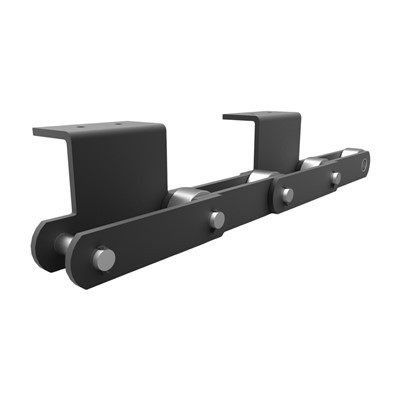
If you’re ready to order spare parts for your scraper feeder chain, or have questions about your current order, you can connect with our team to discuss your specific needs and get a customized quote tailored to your operation.
Chain Plate Feeder Chain References
- ASM International. (2020). Metallurgy for Material Handling Equipment Chains. Materials Park, OH: ASM International.
- Society for Mining, Metallurgy & Exploration. (2021). Maintenance Guidelines for Scraper Feeder Systems in Underground Mining. Englewood, CO: Society for Mining, Metallurgy & Exploration.
- Conveyor Equipment Manufacturers Association. (2019). Standard for Chain Components in Material Handling Equipment. Naples, FL: Conveyor Equipment Manufacturers Association.
Zhejiang Hangte Chain Transmission Co., Ltd.
We are one of the most experienced scraper feeder chain manufacturers and suppliers in China since 1999. Please rest assured to buy high quality scraper feeder chain made in China here from our factory. If you have any enquiry about cooperation, please feel free to email us.
Address: No. 195 Qinglin East Street, Qingshan Lake Subdistrict, Lin’an District, Hangzhou City, Zhejiang Province
E-mail: hangtechain@gmail.com
WebSite: https://www.chinahtchain.com/
