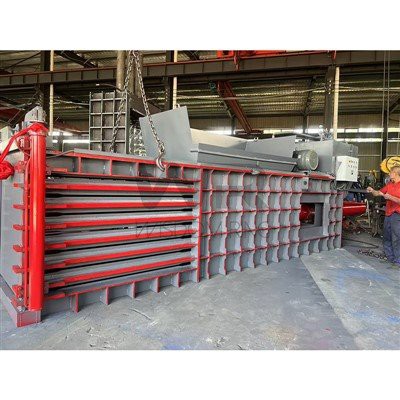
If you’ve ever spent time in a recycling yard, waste management facility, or even a manufacturing plant that deals with bulk material storage, you know a baler machine is far from just a “box that compresses trash.” It’s the workhorse that turns loose, space-consuming cardboard, plastic, paper, or aluminum into dense, transportable bales—cutting down hauling costs, streamlining waste handling, and keeping operations running smoothly. As someone who’s spent the last 12 years selling, servicing, and troubleshooting these machines (I started out as a field tech fresh out of trade school, before moving into sales and account management), I can tell you the most common complaint I hear from customers isn’t that their baler doesn’t work—it’s that it works inconsistently. One week, it crushes 10 bales a day without a hitch; the next, it’s jamming, misfiring, or breaking down halfway through a cycle, leaving their team scrambling to meet deadlines and their budgets stretched by unexpected repair bills. Baler Machines

Improving a baler’s reliability isn’t about throwing random part replacements or expensive upgrades at it. It’s a systematic, day-to-day approach that starts before the machine even leaves our shop and continues long after it’s installed on your floor. Over the years, I’ve worked with everything from small vertical balers for local retail chains to large horizontal units for industrial recycling facilities, and the same core principles apply across the board. Let’s break down what actually moves the needle when it comes to keeping your baler up and running, without the guesswork.
First, and most overlooked by new operators: matching the baler to your exact material and throughput needs. It sounds basic, but I’ve seen customers buy a “cheap horizontal baler” online because it had a lower upfront cost, only to realize six months later it can’t handle the mixed plastic and corrugated cardboard they feed it—causing daily jams that require disassembling the entire chamber to clear. Or a small vertical baler at a warehouse that generates 500 pounds of cardboard a day, not 50, leading to overworking the motor and hydraulic system. A baler isn’t a one-size-fits-all appliance; its size, power, and design are tailored to specific material types (fluffy vs. dense) and how much volume you process daily. For example, a vertical baler is great for small, low-volume spaces, but if you’re producing bales that weigh over 1,000 pounds, you need a horizontal baler with a longer ram stroke and reinforced frame. When we work with a customer, we don’t just push the model that makes the biggest commission—we do an on-site audit of their waste streams, how they store materials before baling, and their daily throughput, because a baler that’s properly sized for your operation will always be 30% more reliable than an oversized or undersized one.
Next, a consistent, scheduled maintenance routine—not just reactive fixes. I’ve had customers call me at 8 PM on a Friday, panicking because their baler broke during a weekend shift. Nine times out of 10, the issue was a worn shear pin that they ignored for three months, or dirty hydraulic fluid that should have been changed every 500 operating hours. Reactive maintenance costs 2-3 times more than proactive, scheduled checks, because when a part breaks unexpectedly, you’re paying for emergency service fees, downtime, and rushed replacement parts (which often cost more than standard lead-time parts). What does that scheduled maintenance actually look like, and it’s not just for our service technicians—operators can do a lot of it themselves with a simple checklist.
Weekly tasks start with inspecting the ram and chamber for debris. Even a small piece of cardboard stuck in the edge of the chamber can throw off the ram’s alignment, leading to uneven bales and stress on the hydraulic cylinder. Wipe down the photoelectric sensors that detect when material is loaded in the chamber—dust and cardboard dust build up on these, causing false “no load” signals that stop cycles mid-way. I’ve seen customers skip this step and have the baler run empty for 10 minutes, heating up the hydraulic fluid unnecessarily and wearing out seals faster. Every two weeks, check the tension of the belt drives (for models that use belts instead of direct drives) or the chain guides. A loose belt will slip during compression, reducing bale density and putting extra strain on the motor; a too-tight belt will wear out bearings within months.
Monthly maintenance steps are where the big reliability gains happen. First, drain and test the hydraulic fluid. Hydraulic fluid is the lifeblood of the baler—its job is to transfer pressure from the pump to the ram, and it gets contaminated with metal shavings, cardboard dust, and moisture over time. If the fluid is dark, gritty, or smells burnt, it’s time to change it. We also recommend replacing the hydraulic filter every fluid change; a clogged filter restricts flow, making the ram cycle slower and causing the pump to overwork. Then, check all sheared pins and safety bolts. Shear pins are designed to break before more expensive parts (like the ram or hydraulic pump) when something gets stuck, but if you replace a broken shear pin with a metal bolt (to save time), you’re now forcing stress on the pump. Always use manufacturer-specified shear pins—they’re cheap, and they’re there to protect the machine. Finally, inspect all hoses for cracks, bulges, or fraying. A small leak in a hydraulic hose might seem minor, but it can lead to inconsistent pressure in the ram, causing incomplete bale compaction and increased strain on the pump. We keep a full stock of replacement hoses for all our models, so customers don’t have to wait days for parts if we spot a worn hose during a service visit.
The third big factor in reliability: operator training. No matter how well-built your baler is, if the person running it is feeding the wrong material or forcing jammed material into the chamber, you’re going to have issues. Early in my career, I worked with a large manufacturing plant where their baler was breaking down every two weeks. When I watched their operator, he was shoving 4-foot long plastic sheets into the 3-foot wide chamber, which wrapped around the ram like a rubber band and caused a jam. After a 2-hour training session showing him how to pre-sort and cut material to fit the chamber, and how to use the emergency stop correctly instead of forcing the ram to move, that baler ran for six months without a major breakdown. Operator training isn’t just a one-time thing when the machine is installed—we provide quarterly refreshers for all our customers, and we put together quick video guides for common issues, like clearing a jam or adjusting bale size, so operators don’t guess when something goes wrong. Also, the biggest mistake operators make is overriding safety interlocks. Those interlocks (the ones that stop the ram if you open the chamber mid-cycle) aren’t there to slow you down—they’re there to prevent injury, but also to prevent damage. If you override them to speed up a cycle, you’re at high risk of jamming the ram, which can bend the frame or break the hydraulic cylinder.
Then there’s upgrading for long-term reliability, when the time is right. A lot of customers wait too long to upgrade parts that are outdated, or invest in cheap aftermarket parts that end up causing more problems. For example, old mechanical balers use a manual trip mechanism for bale ejection, which can wear out over time. Upgrading to an automated ejection system, which uses a sensor to detect when the bale is fully compacted, reduces operator error and cuts down on wear parts. Another common upgrade is adding a material pre-sorting station. Loose, dirty material (like cardboard with staples, or plastic with dirt) not only wears out the baler faster—staples can scratch the chamber, and dirt can contaminate hydraulic fluid. We’ve worked with customers to add simple, low-cost pre-sorting bins where operators pull out non-compressible material before it goes into the baler, which extended their baler’s lifespan by an average of 3 years. For customers upgrading older balers, we also offer retrofitting packages that replace worn frames, pumps, and sensors with new, energy-efficient parts, which is often 50% cheaper than buying a whole new machine.
I can’t talk about reliability without mentioning environmental factors, too. A baler that’s installed in a cold warehouse where temperatures drop below freezing will have thicker hydraulic fluid, which causes the pump to work harder. We recommend installing a small electric heater in the hydraulic reservoir for units in temperatures below 40°F, to keep fluid viscosity consistent. For outdoor units, making sure the chamber is covered to keep rain out is critical—water in the hydraulic system causes corrosion and can freeze in lines during winter, leading to burst hoses. We even help customers with site layout, like placing the baler on a level concrete pad to prevent the ram from misaligning, which reduces frame stress over time.
Over the years, I’ve built my business on one promise: a baler should work as hard as you do, without constant headaches. I’ve seen customers lose thousands of dollars in downtime because they skipped maintenance, or bought a machine that didn’t fit their operation, and I’ve also seen facilities that have had the same baler running reliably for 10 years, just because they stuck to the basics. At the end of the day, improving a baler’s reliability isn’t rocket science—it’s matching the right machine to your needs, sticking to a regular maintenance schedule, training your team, and making small upgrades when necessary.
If you’re dealing with consistent downtime, unexpected repair bills, or a baler that just doesn’t keep up with your operation, I’d be happy to walk through your specific setup and share tailored solutions to get your baler running reliably for years to come. Let’s work together to cut your downtime, reduce your costs, and keep your waste handling process smooth and efficient.
Motor Rotor Recycling Machines References
- Solid Waste Association of North America. (2021). Standard Maintenance Protocols for Commercial and Industrial Balers. SWANA Technical Report.
- Hydraulic Institute. (2022). Fluid Contamination and Equipment Reliability: Best Practices for Hydraulic Systems. HI White Paper.
- National Recycling Coalition. (2020). Sizing and Specifying Balers for Unique Waste Stream Applications. NRC Industry Guidelines.
Xi’an Wisdom Ring Machinery Co., Ltd.
As one of the leading baler machines manufacturers and suppliers in China, we warmly welcome you to buy advanced baler machines for sale here from our factory. All customized machines are with high quality and competitive price. Contact us for quotation.
Address:
E-mail: copperrecycling@wisdomringmachinery.com
WebSite: https://www.wisdomringmachinery.com/
