Hey everyone, I’m Jake—been supplying Wound Fin Stainless Steel Tubes for over 8 years now, and let’s be real: half the time when clients reach out, they skip the “install prep” part and end up with botched setups or avoidable delays. Today, I’m breaking down exactly what tools you actually need to get these tubes installed right, no fluff, no overpaying for gear you’ll never touch. Whether you’re a HVAC tech, a refinery maintenance crew, or someone just testing a small industrial system, this list is tailored specifically for our stainless steel wound fin tubes—stuff we see come up in every single install call. Wound Fin Stainless Steel Tube
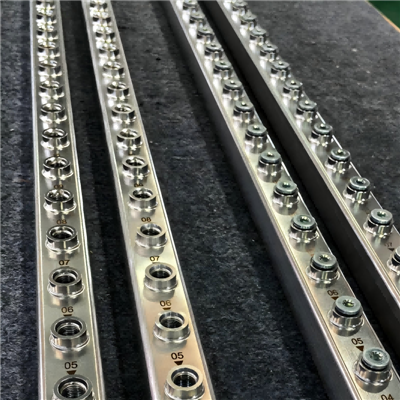
First, let’s make sure we’re on the same page: Wound Fin Stainless Steel Tubes are those tubes with a continuous spiral stainless steel fin wrapped tight around them, usually for heat transfer applications (boilers, radiators, heat exchangers, you name it). The fins are welded or mechanically bonded to the base tube, so installation isn’t just slipping a tube into a pipe—you’ve got to handle the fin edges, the rigid stainless steel base, and make sure the connections are leak-proof. Skimping on tools here is how you end up with fins bent, tubes kinked, or pressure drops that kill your system’s efficiency.
Core Cutting Tools: Don’t Use That Pipe Cutter From Your Garage
I see this all the time: a client grabs their basic PVC/copper pipe cutter, tries to slice a stainless steel wound fin tube, and suddenly the fin rips off or the base tube gets a weird oval bend. Stainless steel is a hard alloy—way harder than copper—so basic tools won’t cut it. Here’s what you actually need:
-
Rolling Tube Cutter (For Clean, Kink-Free Cuts) – This is non-negotiable. We recommend a heavy-duty model designed for stainless steel; it has round, hardened cutting wheels that roll around the tube without crushing the fin or distorting the base tube. A lot of new installers think a chop saw is faster, but chop saws leave burrs everywhere on the fin edges, and stainless steel burrs are sharp enough to cut through gloves mid-install. Pro tip: Go for a cutter with a self-locking mechanism—you’ll save 10 minutes per tube from fumbling to tighten it halfway through.
-
Deburring Tool Kit – Even with the best rolling cutter, you’ll have tiny burrs left on the cut end of the base tube. Ignore this, and you’ll have trouble threading fittings or gaskets seating properly. A handheld deburring tool with a stainless steel blade is perfect here—run it around the inside and outside of the cut end in 2 seconds flat. Skip the cheap plastic ones; they break after 3 or 4 uses and leave uneven burrs behind.
Wait, what if you need to cut a tube to a weird, custom length on-site? A diamond-tipped hole saw or a plasma cutter works for straight cuts, but only if you’re experienced. We usually advise against it for most folks because it’s easy to warp the fin if you don’t keep the cut cool. If you do use a plasma cutter, spray a little water on the fin as you go to prevent heat buildup—trust me, we’ve seen too many fins discolor or warp from overheating, and that kills the tube’s heat transfer efficiency.
Connection Tools: Leaks Are The #1 Complaint (Fix That Before It Happens)
The connections on wound fin tubes are either flanged, threaded, or welded—each needs its own tool, but there are two must-haves across the board:
-
Stainless Steel Thread Sealing Tape + Pipe Dope (Specifically For Stainless) – Don’t grab the generic Teflon tape from the hardware store. Generic tape has fillers that can react with stainless steel over time, leading to corrosion. We use PTFE tape that’s rated for stainless steel, and pipe dope that’s non-acidic. Pro tip: Wrap the tape in the direction of the thread—if you wrap it the other way, it’ll come loose when you tighten the fitting. Also, don’t overdo it—2-3 wraps is enough; too much tape will get into the system and clog small passages (we had one client lose $10k in production because excess tape got stuck in their heat exchanger tubes).
-
Hydraulic Tube Expander (If You’re Using Mechanical Joints) – A lot of HVAC installs use mechanical expanders to connect wound fin tubes without welding. A manual expander works for small jobs, but for tubes over 2 inches, get a electric hydraulic one—you’ll get a uniform expansion that fits the coupling perfectly, no gaps. If you’re welding, you’ll need a TIG welder (MIG works too, but TIG gives cleaner welds on stainless steel) with a stainless steel filler rod—nothing else will bond the fin and base tube reliably.
Wait, what about bending wound fin tubes? A lot of people try to bend them with a pipe bender meant for copper, and they end up with fins that crack or the tube kinks. If you need a bend, get a mechanical tube bender with a mandrel. The mandrel goes inside the tube as you bend it, keeping the base tube round. For small bends (under 90 degrees), a hand bender works, but for larger bends, rent a hydraulic bender with a stainless steel mandrel. We’ve had clients who skipped the mandrel and ended up with 20% of the fin area crushed, dropping their heat transfer efficiency by almost a third—so don’t skip that.
Prep & Safety Tools: The Ones No One Talks About (But You’ll Regret Missing)
You might think prep tools are just extra, but they’re the difference between a 2-hour install and a 8-hour nightmare:
-
Wire Brush (Stainless Steel, Not Brass) – Before you connect a wound fin tube, wipe the end of the base tube and the fitting socket with a stiff stainless steel wire brush. This removes any oil, dirt, or mill scale from manufacturing—stuff that causes corrosion down the line. Brass brushes leave tiny brass shavings, which react with stainless steel too, so stick to stainless.
-
Level (Magnetic, For Vertical Runs) – Wound fin tubes are often run vertically in boilers or radiators. If they’re not level, air pockets get trapped inside, which kills heat flow. A magnetic level sticks right to the stainless steel tube, so you don’t have to hold it with one hand and align the tube with the other. Simple, but game-changing for consistent installs.
-
Cut Resistant Gloves + Safety Glasses – The fin edges on wound fin tubes are sharp—like, way sharper than a standard pipe. We’ve seen techs get cut deep because they used regular work gloves. Cut-resistant gloves with level 5 protection are non-negotiable, and safety glasses keep metal shavings or burrs out of your eyes. Don’t be the guy who skips these and spends the next week recovering instead of finishing the job.
What You Can Skip (Save Your Money)
Let’s cut the crap: you don’t need a $500 industrial tube bender for a small residential project, and you don’t need a plasma cutter if you’re only cutting 3 tubes. Also, don’t buy cheap stainless steel wire brushes—they fray after 2 uses and leave metal shavings. Stick to the stuff we’ve tested over years with our tubes.
Here’s the thing: as a wound fin stainless steel tube supplier, we’re not here to upsell you on every tool under the sun. We’ve helped hundreds of clients with installs, and the ones who do it right use exactly these tools. The biggest mistake we see is people trying to make do with tools they already have, instead of investing in the ones designed for stainless steel wound fin tubes. That leads to damaged tubes, leaks, and wasted time—all stuff you can avoid with the right gear.
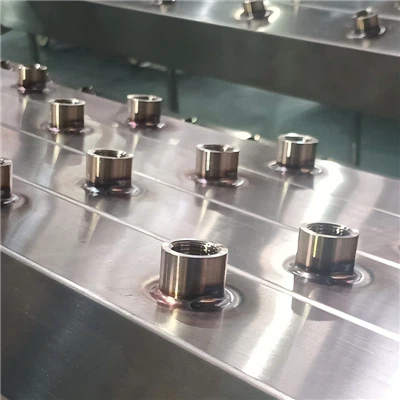
If you’re gearing up for an install and aren’t sure which tools fit your exact project (is it a heat exchanger? A boiler? A small radiator?), hit us up to chat. We can walk you through exactly what you need, no sales pitch, just straight advice from people who supply these tubes every single day. We don’t do random inventory here—every tube we ship is made for reliable installation, so we want to make sure your install goes as smooth as possible too.
Spirally Wound Stainless Steel Tube References
- ASME Boiler and Pressure Vessel Code, Section I: Power Boilers, 2023 Edition
- Stainless Steel Tube Installation Best Practices, Industrial Tube and Pipe Association (ITPA), 2022
- Heat Transfer Efficiency of Wound Fin Tubes, Journal of Industrial Heat Exchangers, Vol. 47, No. 2, 2021
- Occupational Safety Guidelines for Stainless Steel Fabrication, OSHA, 2020
China Super Tech Co., Ltd.
As one of the most professional wound fin stainless steel tube manufacturers and suppliers in China, we’re featured by quality products and good service. Please rest assured to wholesale OEM wound fin stainless steel tube from our factory. Also, custom service is available.
Address: Wangjing Science and Technology Park, Guangshun North Street, Chaoyang District, Beijing
E-mail: sales@316liquidcooling.com
WebSite: https://www.316liquidcooling.com/
