If you’ve ever stood in front of a sliding glass door and wondered why the person on the other side is yanking so hard to open it, you might’ve found yourself asking the big question: are these things actually easy to operate? Let me tell you, as someone who’s spent the last 8 years selling, installing, and troubleshooting sliding glass doors for homeowners and small business owners, the answer isn’t a straight yes or no—it depends on a bunch of tiny, often overlooked details that most people don’t think about until they’re sweating through a 90-degree afternoon trying to get their patio door open. Sliding Glass Door
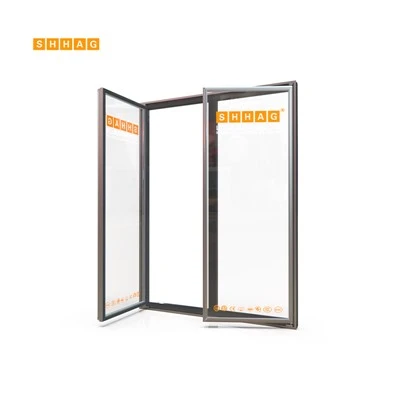
First off, let’s break down what actually makes a sliding door work, because that’s the root of all ease (or lack thereof) when you’re sliding it back and forth. Unlike hinged doors that swing on a hinge and have a basic latch, sliding doors rely on two main parts: rollers at the bottom of each door panel, and a track that those rollers sit in. When I first started out, I’d see brand new doors that felt like they were glued shut, and 9 times out of 10, it was the rollers that were messed up. Most budget sliding doors use cheap plastic rollers that warp after a year or two of being exposed to sun, rain, and the occasional dog scratching at the bottom. Warped plastic doesn’t roll smoothly—it drags, sticks, and feels like you’re fighting a resistance that’s totally avoidable.
Good quality doors? We use reinforced nylon rollers with ball bearings inside, not plastic, and they sit in a track that’s built to keep them aligned. Last month, a homeowner brought in a door they’d bought from a big-box store 2 years prior, and when I pulled off the bottom track, half the plastic rollers were cracked in half. I swapped them out for our ball-bearing rollers, adjusted the track alignment, and that door opened so smooth, she thought I’d magically fixed something. It wasn’t magic—it was using parts that actually do what they’re supposed to do.
Track alignment is another huge one, and it’s something most people don’t check until their door won’t slide. The track has to be perfectly level, right? If it’s slightly tilted, one side of the door will sit lower than the other, and the rollers will catch on the track edge. I had a customer a few months ago who kept complaining their door was hard to open, and when I measured the track, it was ¼ inch lower on the side where the latch is. The previous contractor had installed it sloppily, and over time, that tiny tilt made the rollers drag. Aligning the track so it’s totally level (we use a laser level for installs now, no more guessing with a bubble level) fixed that problem in 10 minutes. Even with the best rollers in the world, a wonky track will make any door feel like a workout.
Don’t get me started on weatherstripping—wait, actually, do get me started, because it’s a silent culprit. Most sliding doors have a rubber or foam strip around the edges of the panel that seals out air, water, and bugs. But over time, that weatherstripping gets old, cracks, or gets compressed, and when it doesn’t seal right, air can leak in, but more importantly, the door might sit too tight against the frame. I’ve seen doors where the weatherstripping is so compressed that the panel is pressed firmly against the frame, making you yank it to get it to break free. Swapping out old weatherstripping is a cheap fix that makes a huge difference—we carry a roll of it in our truck at all times for exactly that reason.
Now, let’s talk about common myths, because there’s a lot of misinformation out there about sliding door ease. The first one is: “bigger doors are harder to slide.” Yeah, that’s true if you have a poorly made door, but not if it’s built right. Last year, we installed a 12-foot sliding patio door for a customer whose old 8-foot door was such a pain to use, they barely went out to their backyard. Their new door? It slides so smooth, their 10-year-old can open and close it by herself. Why? Because bigger panels need more rollers—our wide doors have 4 rollers per panel, not 2 like budget doors, so the weight is spread out instead of concentrated in two small spots. A 100-pound panel with 2 plastic rollers is hard to move; a 150-pound panel with 4 ball-bearing rollers is easy. That’s not a sales pitch, that’s basic physics.
Another myth: sliding doors are less secure because they’re easier to open. Newsflash—ease of operation and security don’t have to be opposites. A lot of people think a door that slides smooth has a weak latch, but that’s not the case. We use multi-point locking systems on all our doors, so when you turn the handle, it locks both the top and bottom of the panel, not just the latch in the middle. And the nice part? Those latches don’t add extra resistance when you slide the door. They’re designed to move with the panel, so you don’t have to fight the lock every time you open it. I’ve had customers tell me they’re worried their kid will be able to open the door and run out, but with our locks, you just press the small button on the handle to disengage the lock before sliding—simple, not complicated.
What about everyday use, like dirt and debris? If you live in a place with a lot of dirt, leaves, or pollen, that track is gonna get gunked up, right? So it stands to reason that a dirty track will make sliding harder. Here’s the thing: easy operation doesn’t mean you never have to clean your door. It means it’s easy to clean, and the track is designed to keep debris out in the first place. Our doors have a low-profile track with a little lip that keeps leaves and dirt from piling up, and we even recommend a quick wipe-down of the track every 3 months with a cloth and some mild soap. Compare that to a door where the track is deep and narrow, trapping debris every time the wind blows, and you’re cleaning it every week. Worth the minor maintenance, if you ask me.
I also wanna talk about user experience from different people, because “easy to operate” is subjective for some folks. An 80-year-old with arthritis, a teen lifting a heavy backpack, a kid with tiny hands—all of them will have different ideas of what’s easy. We tested our doors last year with a group of local seniors, and the feedback was that they didn’t have to use a lot of force to slide them, which was a big plus. The difference was the handle design too—we offer a standard curved handle, but we also have a wider D-shaped handle for people who have trouble gripping small handles. That’s a small detail, but it makes a huge difference for someone with limited hand strength. A lot of suppliers don’t think about that, but we do, because easy operation isn’t just about how smooth the door slides—it’s about who’s sliding it.
Let me be real with you, though—no sliding glass door is totally effortless forever. Even the best quality doors will wear down over time, but that’s not because they’re bad. It’s because they’re used every single day. I’ve got a customer who’s had our door for 5 years, and the only problem she’s had is that the track got a little dirty last spring, so it was sticking. She cleaned it, adjusted a roller, and it’s been perfect since. That’s normal maintenance, not a flaw in the door. Compare that to the cheap door her neighbor has, which they’ve only had for 3 years, and they’ve already replaced the rollers twice, fixed a warped track, and had to re-seal the weatherstripping once. Total cost for that neighbor: way more than she spent on our door, and they still complain it’s hard to use.
So what’s the takeaway here? Sliding glass doors are definitely easy to operate—if you pick the right door, get it installed right, and do the tiny bit of maintenance they need. The problem isn’t the sliding mechanism itself; it’s the cheap parts, shoddy installation, and lack of design that most people settle for because they’re looking for the cheapest option. I’ve had way too many people come to me after dealing with a frustrating door from a big-box store, and they’re shocked at how much better a quality door feels. It’s not rocket science—when you build something that’s meant to be used every single day, you don’t cut corners on the parts that make it work.
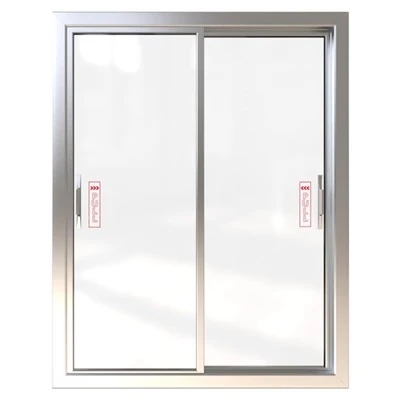
If you’re in the market for a sliding glass door and sick of doors that feel like they fight you every time you open them, don’t settle for the cheapest option or the one that looks the nicest on the shelf. Ask about the rollers, ask about track alignment during installation, ask about handle options, and make sure the door is built to handle daily use. And if you’ve already got a door that’s hard to slide, it’s probably not too late—most of the time, it’s a quick fix, not a total replacement.
Sliding Glass Door If you’re looking to upgrade your home or business with a sliding glass door that’s actually easy to use, hit us up to chat about what you need. We can walk you through different sizes, styles, and features, and even answer any questions you have about operation, maintenance, or installation. No sales pitches, no pressure—just straight talk about getting a door that works for you.
References
- American National Standards Institute (ANSI/BHMA A156.10): Sliding Glass Door Performance Requirements, 2021.
- National Association of Home Builders (NAHB): "Sliding Patio Door Maintenance Best Practices," 2022.
- International Residential Code (IRC): Requirements for Exterior Door Installation and Operation, 2021.
Coste Glass Door Co., Ltd.
As one of the most professional sliding glass door manufacturers and suppliers in China, we’re featured by quality products and good price. Please feel free to wholesale bulk sliding glass door in stock here and get quotation from our factory. Customized orders are welcome.
Address: 41/47, VILLAGE NO.5 KHOK KRABUE SUBDISTRICT MUEANG SAMUT SAKHON DISTRICT ,SAMUT SAKHON PROVINCE 74000 ,Thailand
E-mail: Alicezhou@shhag.com
WebSite: https://www.costeglassdoor.com/
