If you’ve ever had a machine shut down unexpectedly out of nowhere, you might’ve jumped to blaming the motor, the belts, or even a power surge. But after 12 years selling special deep groove ball bearings—you know, the ones that are made for weird, specific jobs like food packaging lines or medical devices that need zero contamination—I can tell you 9 times out of 10 it’s something way smaller: tiny bits of gunk that snuck past the “clean” zone and wrecked everything. Contamination is the quiet killer of these bearings, and if you’re not watching for it, it’ll cost you way more than just a replacement part. Special Deep Groove Ball Bearings
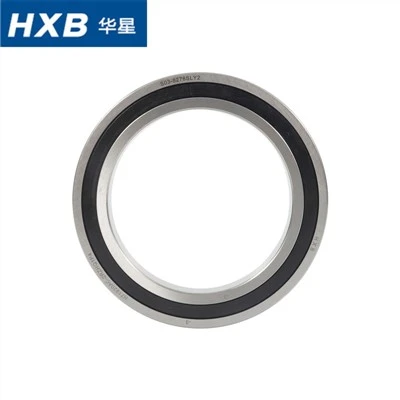
Let’s start with what makes these bearings special, because regular deep groove bearings can take a little grime, but our ones? Nah, they’re built for jobs where even a speck of dirt would mess up the whole process. Think about it: a bearing in a pharmaceutical tablet press has to keep moving smoothly so the pills turn out consistent. A special bearing in a food and beverage filler? It can’t let bacteria or metal shavings get into the product. Even ones in electric vehicle battery assembly lines—super precise, zero tolerance for anything that’s not supposed to be there. These bearings are machined to tighter tolerances, use higher grade steel, and have way better seal systems than standard bearings, but they’re still not invincible to contamination.
First up: solid particle contamination. This is the one I see most, and it’s the easiest to miss. Like, when a machinist forgets to clean a part before assembly, or when a hose in a water system leaves tiny rust flakes. Those particles get between the bearing balls and the raceways—those smooth, curved grooves the balls roll in—and it’s game over. The balls don’t roll anymore; they start grinding against the particles, which etch little grooves and rough spots into the raceways. That’s called abrasive wear. After a few hundred hours, the rough spots make the bearing vibrate like crazy, and then it seizes. I had a client last year with a craft brewery (they used our special bearings in their canning line) who thought the line was “breaking in” for the first month. Turned out, the maintenance team had replaced a rusted pipe near the line and didn’t blow out all the rust flakes before putting the new bearing in. By week six, the bearing locked up mid-shift and cost them 300 cases of beer they couldn’t can. The worst part? They thought our bearing was bad, but it was just a speck of rust they let sneak in.
Another solid particle issue is adhesive wear, which happens when tiny metal shavings from machining or even from other parts of your machine stick to the bearing’s surfaces. Those shavings get hot from friction and weld themselves to the balls or raceways. Then, when the bearing turns, it tears bits of steel off the opposite surface, creating even more debris. It’s a cycle that snowballs fast. Our bearings use a special surface coating (we don’t brag about it much, but it’s one of the reasons clients come back) that resists this, but only if the environment around it is clean. If there’s enough junk, even our coating can’t hold up.
Next, liquid contamination. This isn’t just water getting on the bearing (though that’s bad too). It’s the stuff that shouldn’t be there mixing with the lubricant. Like, if you have a bearing in a washing machine assembly line, soap suds can seep past the seal. Or in a chemical plant, leftover solvent can get in. The big problem here isn’t the liquid itself—it’s what it does to the lubricant. Most special deep groove bearings are lubricated with high-performance grease or oil designed for their specific use. If water gets in, it breaks down the grease, making it thin and ineffective. Then the metal parts rub together instead of rolling, causing corrosion too. Corrosion is a silent one because it starts inside the bearing, where you can’t see it. The little rust pits form on the raceways, and when the balls roll over them, they create tiny shocks that wear the parts even faster. I had a medical device client a couple years back with a blood analyzer that used our bearings. They were storing the analyzer in a humid room in their factory, and moisture got through the bearing’s seal. By the end of the year, the bearing had corroded enough that the analyzer’s results were off, and they had to recall 500 units. That could’ve been prevented with a simple desiccant pack near the bearing, but they didn’t realize liquid contamination was that big a deal for our bearings.
Wait, there’s also mixed contamination—when solid particles get stuck in liquid, like dirt in a coolant. That’s a double whammy: the dirt scratches the surfaces, and the liquid carries it deep into the bearing’s seals where it can’t get out. Seals are the first line of defense for these bearings, right? Our special bearings have contact seals or non-contact seals (depending on the job) that are supposed to keep gunk out, but if the contamination is already in the lubricant, it can get past the seals way easier. I like to tell clients: seals don’t work if the stuff is already inside the bearing before you install it.
Now, let’s talk about the long-term effects that most people don’t see coming. A lot of guys will replace a bearing when it starts making noise, but if contamination is the root cause, that new bearing will fail too—usually faster than the first one. We had a client in the aerospace industry who went through three of our special bearings in six months because their maintenance team kept replacing them instead of fixing the air filtration system in their machine. Every new bearing got the same dust and dirt as the last, and they kept seizing. Once they fixed the air filter, the bearings lasted three years. That’s the thing: contamination is a system problem, not a bearing problem. You can have the best special bearing in the world, but if your factory has poor air quality, or your maintenance team doesn’t follow proper lubrication procedures, it’s gonna die early.
Another point: contamination affects the precision of the bearing, which is critical for so many industries. Our special deep groove bearings are made to within microns—like, a tenth of the thickness of a human hair—so that machines can do things like place tiny components on a circuit board or fold a cardboard box perfectly. If there’s even a speck of dirt in the bearing, it shifts the balls just enough to throw that precision off. For a printer manufacturer, that means a line that’s slightly off on a catalog. For a surgical robot, that could mean a tool moves an extra millimeter, which is a big deal. I had a client that made robotic surgery tools—they were using our bearings and noticed their tools had a “wobble” when moving. Turned out, the lubricant they were using had tiny metal particles left over from the oil refining process. We switched them to a particle-free lubricant, and the wobble was gone. That’s how subtle contamination can be; it’s not just about the bearing breaking, it’s about ruining the whole product that uses it.
Now, what can you actually do about this? I’m not gonna give you a 50-page maintenance manual, just the stuff that works. First, control the environment around the bearing. That means filtering the air or the lubricant to remove solid particles. We recommend ISO cleanliness codes (most guys know these, but if you don’t, just shoot me a note) because they tell you how many particles are in a certain volume of air or fluid. If you stay within the code that matches your bearing’s rating, you cut contamination-related failures by like 80%. Second, handle the bearings correctly when you get them. When we ship our special bearings, they’re sealed in a clean, plastic bag to keep gunk out—don’t open them until you’re ready to install them, and wipe down the shaft or housing before you put the bearing in. It sounds simple, but I see guys grab a bearing from the box, lay it on a dirty workbench, and then wonder why it fails a week later. Third, check the seals. Our bearings have seals that are made for their specific application, but if a seal gets damaged during installation or wears out over time, it lets contamination in. Do a quick visual check every month—if the seal has cracks or is covered in gunk, replace it. It’s cheaper than replacing a bearing.
Look, I’ve been in this game long enough to know that people don’t think about bearings until they stop working. But when you’re using special deep groove ball bearings—ones that are built for jobs that can’t have mistakes—contamination isn’t just a minor issue. It’s the difference between a line that runs 24/7 and one that’s down for 3 days because a bearing seized. It’s the difference between a safe food product and one that gets recalled because of metal shavings. It’s the difference between a successful medical device launch and a product that gets pulled from shelves because of inconsistent results.
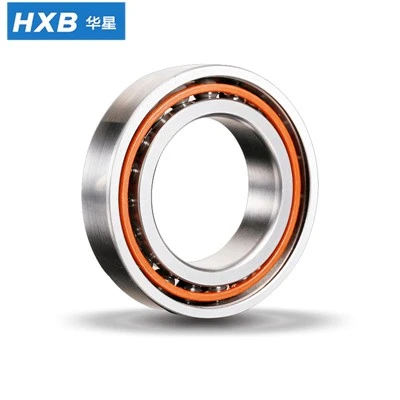
If you’re dealing with frequent bearing failures, or you’re building a new machine that needs high precision and zero contamination, don’t just guess at the problem. The issue is almost always something small that’s getting into the bearing. We’ve been supplying special deep groove ball bearings for over a decade, and we’ve helped hundreds of clients figure out their contamination issues—whether that’s adjusting their lubrication process, upgrading their filters, or picking the right bearing with the right seal for their job. We don’t just sell parts; we help you keep your line running. If you’re tired of bearings failing unexpectedly, or you need a bearing for a job that can’t tolerate any contamination, hit us up to chat. No sales pitch, no pressure, just honest advice from someone who’s seen this go wrong way too many times.
Motorcycle Bearings References:
- Harris, T. A., & Kotzalas, M. N. (2007). Rolling Bearing Analysis: Advanced Concepts of Bearing Technology. CRC Press.
- ISO 14644-1:2015, Cleanrooms and Associated Controlled Environments — Part 1: Classification of Air Cleanliness by Particle Concentration.
- Bhushan, B. (2013). Introduction to Tribology. John Wiley & Sons.
- American Bearing Manufacturers Association (ABMA) Standard 11, Radial Ball Bearings.
Hangzhou Huaxing Kechuang Holding Group Co., Ltd.
Hangzhou Huaxing Kechuang Holding Group Co., Ltd. is one of the leading manufacturers and suppliers of special deep groove ball bearings in China, featured by quality products and good service. Please rest assured to buy bulk durable special deep groove ball bearings from our factory. Welcome to view our website for more information.
Address: No.553 Yingbin Road, Linping, Hangzhou, 311100, China
E-mail: wmb@huaxingbearing.com
WebSite: https://www.hxbbearing.com/
