If you’ve ever worked with pumps—whether you’re in manufacturing, agriculture, water treatment, or even just fixing a leaky well at home—you know pumps don’t run on magic. They’re like the weird, overworked workhorses of so many industries, and their ability to move liquids (and sometimes gases, but let’s keep that simple for now) depends entirely on their parts. As a pump parts supplier, I talk to folks every day who’re stuck because one tiny component went kaput, and they had no idea what to even look for. So let’s break down the common pump parts in plain, not-too-technical speak (no jargon that makes you Google “what’s a volute” mid-shift). First, let’s start with the big stuff people actually see, then move to the behind-the-scenes bits that cause most headaches when they fail. Pump Parts
First up: the pump casing. Yeah, some call it the volute or the housing, but let’s just call it the casing for now. It’s the big, usually metal (sometimes plastic for smaller, lighter pumps) shell that wraps around all the internal moving parts. Its job is straightforward: catch the liquid that the impeller flings around, and guide it out of the pump through the discharge port. If you’ve ever seen a centrifugal pump (the most common type, by the way—think pool pumps, sump pumps, farm water pumps), the casing is that curved, snail-shaped thing on the outside. Why does this matter? If the casing has a crack or a worn gasket seal, you’re going to get leaks—sometimes tiny, sometimes so bad the pump won’t build pressure at all. Last month I talked to a guy from a local food processing plant whose casing cracked after a year of pumping slightly acidic fruit juice; he thought the whole pump was dead, but we just swapped out the stainless steel casing (the right material for his liquid) and he was back up and running in 2 days. That’s the thing about pump parts—most of the time, you don’t need a whole new pump, just the part that broke.
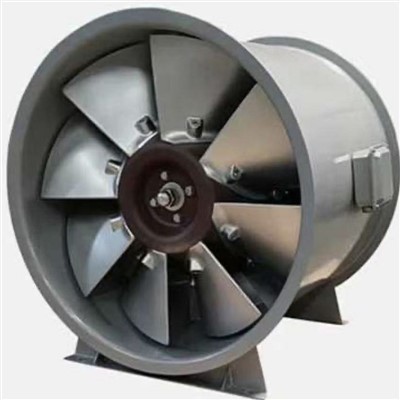
Next, the impeller. This is the rockstar of the pump—little, spunky, and the one actually moving the liquid. It’s the fan-like thing inside the casing, connected to the shaft. When the motor spins the shaft, the impeller spins too, flinging liquid outward from its center to the edges of the casing, which builds pressure. Impellers come in different types, too—open, closed, semi-open. Open is like a basic fan blade, good for pumping liquids with small solids (like dirty well water) because it doesn’t clog as easy. Closed has plates on both sides, better for clean liquids but more likely to gunk up if there’s debris. The most common failure I see with impellers? Wear from abrasives—like sand in well water, or chemicals that eat away at the metal. I had a customer last week who runs a gravel washing operation; his impellers wore down to nubs in 6 months, so we upgraded to a harder, corrosion-resistant alloy and doubled their lifespan. That’s the kind of thing a lot of people don’t know—pump parts aren’t one-size-fits-all, which is why picking the right part for your specific pump and liquid matters.
Then there’s the shaft. The shaft is the long, straight rod that connects the motor to the impeller. It’s the backbone—every time the motor turns, it’s the shaft transferring that power to the impeller. Shafts are usually made of steel, but sometimes they have a sleeve (called a shaft sleeve) over them to protect them from wear, especially where they go through the part that seals the pump. Shaft failure usually happens because of misalignment—if the pump and motor aren’t lined up right, the shaft bends over time, causing vibration, noise, and even breaking. Or if the shaft sleeve wears out, the shaft itself can get scraped, which leads to leaks from the seal around it. I once had a small manufacturing shop call me panicking at 7 a.m. because their shaft bent; we overnighted a custom straight shaft and a new sleeve, and they were back running by noon. No one wants a production line shut down because a rod bent, that’s for sure.
Speaking of seals—oh man, seals are the unsung heroes. There are two main types people need to know: the mechanical seal and the packing seal. Let’s keep it simple. A packing seal is the older, cheaper type—think of it as a bunch of rope-like material (usually graphite or Teflon) wrapped around the shaft, inside a gland. You tighten the gland bolts to squish the packing against the shaft, which stops liquid from leaking out. The downside? It needs to be adjusted occasionally, and it leaks a little by design (usually a few drops per minute, not enough to be a flood). A mechanical seal is the newer, more precise one—two flat, highly polished faces that press against each other, one on the shaft and one on the stationary part of the pump. No leak, almost no maintenance, but more expensive and needs to be matched to the pump’s pressure and the liquid it’s handling. Seals go bad from two big things: either they get worn down from abrasive liquids, or they dry out if the pump isn’t running for a while (super common with seasonal pumps, like irrigation pumps that sit unused for 8 months a year). I always tell customers to keep extra seals on hand—they’re cheap compared to a full pump replacement, and swapping one takes 10 minutes.
Then there’s the bearings. Bearings are the little (or sometimes not-so-little) round things that hold the shaft in place and let it spin smoothly without grinding or wobbling. Most pumps have two bearings: one near the motor (the drive end) and one near the seal (the non-drive end). Over time, bearings wear out from friction, or from getting damaged by dirt or moisture that gets past the seal. When bearings go bad, you’ll hear a loud, grinding or squealing noise coming from the pump—kind of like a car that’s about to throw a wheel, but way worse because the whole pump can seize up if you don’t fix it. A lot of people ignore the noise, thinking it’s just normal, but replacing bearings early is way cheaper than replacing a seized shaft or impeller. I had a guy who waited 3 months to fix his noisy pump; by then, the bearing had destroyed the shaft, so he had to replace three parts instead of just the bearings. Lesson learned there—listen to your pump, it’ll tell you when something’s wrong.
Wait, let’s not forget the smaller, easy-to-miss parts that still cause big problems. The strainer, for example. That’s the mesh screen you put at the inlet of the pump, right before the liquid gets in. It’s supposed to catch big debris—leaves, sticks, trash, even small rocks—so they don’t clog the impeller or damage the casing. A lot of people skip cleaning the strainer, especially with sump pumps or irrigation pumps, and after a while the strainer gets clogged, so the pump has to work harder, uses more electricity, and can burn out the motor. I always remind people to check their strainer every month, especially before wet season or planting season—takes 2 minutes, saves a ton of hassle.
And the inlet and discharge ports? Yeah, those are the holes where liquid comes in and out of the pump. They might sound boring, but if the ports are sized wrong for your liquid flow, or if there’s a clog in them, the pump won’t move enough liquid. I once worked with a plumber who installed a new pump with too small of a discharge port for a house’s well system; the pump ran nonstop, the pressure was garbage, and he had to swap out the port fitting a week later. Even something as small as a thread on a port can matter if it doesn’t fit right.
Now, let’s talk about why this stuff matters for you. If you’re a pump owner, you don’t need to become a pump expert—you just need to know which parts are the ones that go wrong most often, and that you can get replacements for without buying a whole new pump. As a pump parts supplier, I’ve spent years learning that most people don’t care about the technical names; they care about “my pump is leaking from the shaft” or “it’s making a grinding noise” or “it won’t move enough water.” That’s why we stock common parts for all the most popular pump brands—seals, impellers, bearings, shafts, casings, strainers—all in stock, ready to ship fast, because I know downtime costs you money.
Wait, I should also mention that not all pump parts are the same. A stainless steel impeller for pumping beer is way different from one for pumping sand-laden water. A Teflon seal for chemicals is different from a graphite seal for clean water. A lot of people come to me with a broken part and say “just send me the same one,” which is usually good, but sometimes their application has changed—like now they’re pumping a slightly acidic liquid, so a regular steel part won’t hold up. I always ask a few quick questions when someone reaches out: what pump brand is it, what’s it pumping, how big is the pump, what’s the pressure rating? That way I don’t send the wrong part, which saves everyone time and money.
I’ve seen so many horror stories over the years: a farmer who lost 10 acres of crops because his irrigation pump seized up, and he waited 3 days for a part that could’ve been shipped same-day; a food plant that had to shut down a production line for 6 hours because they couldn’t find a replacement seal; a homeowner who spent $1,500 on a new sump pump when a $20 seal would’ve fixed it. That’s the stuff that makes me do this—help people not overspend, not lose money, not stress when their pump breaks.

At the end of the day, pumps are just machines, and all machines have parts that wear out. The key is knowing which parts to keep an eye on, having replacements ready, and working with someone who knows their stuff when you need a part. If you’re dealing with a broken pump part, or you just want to stock up on common parts so you don’t get caught off guard, reach out to me to chat—no pushy sales stuff, just straight answers about what you need. We’ve got the parts you’re looking for, in stock, ready to go, and we can help you figure out exactly what fits your pump and your application.
Fan Impeller References
Pump Users’ Handbook, 2nd Edition, Hydraulic Institute
Centrifugal Pump Maintenance and Repair Guide, American Society of Mechanical Engineers (ASME)
Industrial Pump Parts and Components: A Practical Guide, Fluid Handling Magazine
Shandong Shunye Stainless Steel Co., Ltd.
Address: Shandong Province, Binzhou City, Wudi County, Liubao Town, Zhangdong Road, Duliucun Village
E-mail: sales@wdshunye.com
WebSite: https://www.shunyecasting.com/
