Hey there! I’m a supplier of LPG equipment, and I’ve seen how crucial proper ventilation is when using LPG stuff. Let me share some insights on how to make sure you’ve got good airflow when working with LPG equipment. LPG Equipment
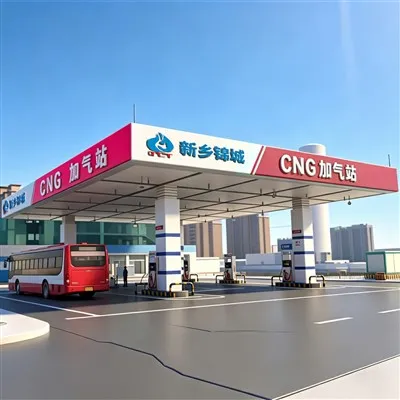
First off, why is ventilation so important? Well, LPG, or liquefied petroleum gas, is a great energy source. It burns clean and is super efficient. But when it burns, it releases carbon monoxide, which is a silent killer. You can’t see it, smell it, or taste it, but it can really mess you up. High levels of carbon monoxide can cause headaches, dizziness, nausea, and in severe cases, it can even lead to death.
The other thing is that if there’s a leak of LPG, it can form a flammable mixture with air. Without proper ventilation, this mixture can reach explosive levels, and that’s a huge safety risk. So, proper ventilation isn’t just a good idea; it’s a must – have.
Now, let’s talk about the different types of LPG equipment and the ventilation they need.
1. LPG Cooking Stoves
These are probably the most common type of LPG equipment in households. Whether you’ve got a small two – burner stove for a studio apartment or a big fancy range for a large kitchen, proper ventilation is key.
For residential kitchens, the simplest way to ensure ventilation is by using a range hood. A good range hood should be installed directly above the stove. It should have a high enough suction power to pull out all the fumes and gases produced during cooking. If your kitchen is on the small side, a range hood with a capacity of at least 300 cubic feet per minute (CFM) should do the trick. For larger kitchens, you might need something with a CFM of 600 or more.
Make sure the range hood vents outside. Some people think it’s okay to just recirculate the air inside the kitchen, but that’s not a good idea. Recirculating the air just puts the same carbon monoxide and other pollutants back into the kitchen. You want to get rid of them for good.
Also, keep the area around the stove clear. Don’t stack pots, pans, or other stuff next to the stove that could block the airflow. And open a window if you can. Even if it’s just a crack, it helps to bring in fresh air and push the stale, polluted air out.
2. LPG Water Heaters
LPG water heaters are another common piece of equipment. They provide hot water for showers, dishwashing, and laundry. But they also need proper ventilation.
Most modern LPG water heaters are either direct – vent or power – vent. Direct – vent water heaters draw in combustion air directly from the outside and exhaust the combustion gases outside. They’re a great option because they’re sealed units, which means there’s less chance of gas leakage into the living space.
Power – vent water heaters use a fan to push the combustion gases outside. They can be installed in areas where there’s not a lot of natural draft, like basements. But you need to make sure the vent pipe is properly installed and maintained. The vent pipe should be straight as much as possible, with no sharp bends or dips that could cause the gases to back up.
If you’ve got an older, non – direct – vent water heater, it’s a good idea to have it inspected regularly. These types of water heaters draw in air from the room for combustion and exhaust the gases through a flue. They need enough ventilation in the room to function properly. As a rule of thumb, there should be at least 50 cubic feet of air space per 1,000 BTUs (British Thermal Units) of the water heater’s input rating.
3. LPG Forklifts
In industrial settings, LPG forklifts are widely used. They’re powerful and efficient, but they also need good ventilation.
In warehouses or factories where LPG forklifts are used, there should be a proper ventilation system in place. A mechanical ventilation system is usually the best option. It can be designed to maintain a constant flow of fresh air and remove the exhaust fumes.
The ventilation system should be sized according to the number of forklifts and the size of the area. As a general ratio, you need about 100 cubic feet per minute of ventilation for each forklift. And it’s important to place the intake vents at a low level because the exhaust gases from forklifts are heavier than air and tend to settle near the floor.
Also, make sure to have a well – defined area for refueling the forklifts. This area should be well – ventilated separately from the main work area to prevent the build – up of LPG vapors.
General Tips for Proper Ventilation
- Regular Maintenance:不管是range hood, vent pipes, or mechanical ventilation systems, they all need to be maintained regularly. Clean the filters in the range hood every few months to keep the suction power up. Inspect the vent pipes for any signs of damage or blockage, like rust or debris. And have your mechanical ventilation system serviced by a professional at least once a year.
- Monitor Air Quality: You can use carbon monoxide detectors to monitor the air quality in the areas where LPG equipment is used. These detectors are relatively inexpensive and can be a real lifesaver. Place them near the LPG equipment and at sleeping areas if it’s a residential setting. Set up a schedule to test the detectors regularly to make sure they’re working properly.
- Training: If you’re using LPG equipment in a commercial or industrial setting, make sure your employees are trained on the importance of ventilation. They should know how to recognize the signs of poor ventilation, like a strange smell or a buildup of condensation on windows. And they should know what to do in case of a ventilation problem, such as shutting off the LPG equipment and evacuating the area.
As a supplier of LPG equipment, I know that choosing the right equipment and ensuring proper ventilation go hand in hand. We’ve got a wide range of high – quality LPG equipment that’s designed with safety and efficiency in mind. Whether you need a new cooking stove for your home, a water heater for your business, or an LPG forklift for your warehouse, we’ve got you covered.
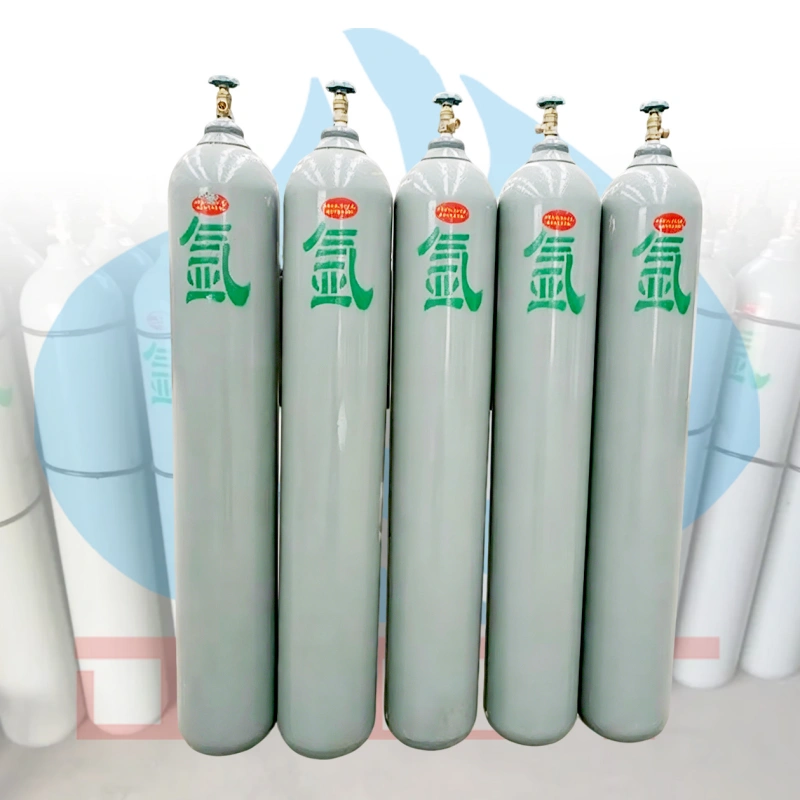
If you’re in the market for LPG equipment and want to learn more about how to ensure proper ventilation for it, don’t hesitate to reach out. We’re here to help you make the right choices and keep you safe. Just drop us a line, and we can have a chat about your specific needs.
Gas Plant References:
- "LPG Safety Handbook" by the International LPG Association
- "Residential Mechanical Ventilation Design and Installation Guide" by the American Society of Heating, Refrigerating and Air – Conditioning Engineers (ASHRAE)
- "Industrial Ventilation: A Manual of Recommended Practice" by the American Conference of Governmental Industrial Hygienists (ACGIH)
Xinxiang Jincheng Technology Co., Ltd.
As one of the most professional LPG equipment manufacturers in China, we’re featured by quality products and good service. Please rest assured to buy customized LPG equipment made in China here from our factory. For pricelist, contact us now.
Address: Industrial Park, Fengquan District, Xinxiang City, Henan Province, China
E-mail: cncd05@cryocontainer.com
WebSite: https://www.jinchengspecialgas.com/
