If you run a construction site, roadwork project, or any operation that relies on heavy machinery, you know how critical a working excavator is to keeping timelines on track. As an excavator supplier who’s spent more than a decade working directly with contractors, site managers, and fleet operators, I’ve seen projects grind to a halt because of avoidable excavator breakdowns. Troubleshooting an excavator doesn’t have to mean waiting hours for a technician or shelling out for a part replacement that’s not actually needed—it starts with systematic, on-site checks you can do yourself, even before calling for outside support. Excavator
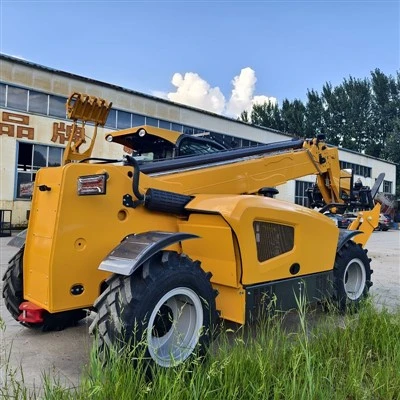
The first rule of excavator troubleshooting is never to skip the pre-operation basics, even when you’re responding to a mid-work issue. Far too often, operators jump straight to testing hydraulic systems or engine parts without confirming the simplest, most common causes. Let’s break this down step by step, in the order that cuts downtime the most.
Start with the obvious: power and fuel supply. I’ve had dozens of customers call me at 2 a.m. because their excavator won’t turn over, only to find the parking brake was fully engaged, the battery terminals were coated with corrosion, or they’d used the wrong type of diesel in cold weather. For newer excavator models, even a partially blocked fuel filter sensor can trigger a shutdown before you notice the fuel gauge reads low. When an excavator fails to start or loses power mid-cycle, always check the battery first: clean any corrosion from the terminals with a wire brush, test voltage with a multimeter (most excavator batteries need 12 volts for smaller models, 24 volts for dual-battery units), and confirm cables are tightened, not frayed. For fuel, check the primary and secondary fuel filters—small debris or water in the fuel is the number one cause of clogged lines, especially on machines that sit idle for more than a week. I recommend keeping a spare set of fuel filters on every job site, no matter the size.
Next, address hydraulic system issues, which are the most frequent complaints we get from operators. If your excavator’s arm won’t lift, the bucket won’t curl, or movement is slow or uneven, 90% of the time it’s not a major pump failure—it’s a simple blockage or low fluid level. First, check the hydraulic fluid reservoir: most modern excavators have a sight glass on the tank; if the fluid level is below the “full” mark when the machine is on level ground, top it up immediately with the manufacturer-recommended fluid (never use standard motor oil as a substitute). Then, inspect the hydraulic lines and hoses for visible leaks, bulges, or crimps. A tiny, slow leak from a cracked hose can cause enough pressure loss to stop all movement, while a partially crimped line can restrict flow without being obvious. We also see a lot of issues with hydraulic filter clogs—if the warning light on the dashboard is illuminated, replace the filter before testing anything else. If movement is still uneven after these checks, the issue might be with the control valve or a worn seal, but that’s when you’ll want to bring in a certified technician to avoid further damage.
Engine problems are the second most common cause of excavator downtime, and they’re usually tied to maintenance oversights. If your engine is overheating, idling roughly, or throwing a check engine light, start with the cooling system. Check the radiator and cooling fins for clogs with dirt, mud, or construction debris—these block airflow and cause overheating, especially when working in dusty environments. Flushing the cooling system annually, as we recommend for all our customers, prevents most of these issues. For idling or performance issues, check the air filter: a dirty air filter restricts airflow to the engine, reducing power and increasing fuel consumption. Most operators forget to replace air filters until they see a drop in performance, but we advise changing them every 500 operating hours, or sooner if you work in dusty, sandy conditions. If the check engine light stays on after you’ve checked filters and fluids, use an OBD-II scanner compatible with your excavator model to read error codes—this eliminates guesswork and tells you exactly which sensor or part is faulty, saving you time and money.
One area that’s easy to overlook but critical for long-term excavator performance is the undercarriage. If your excavator is tracked (most smaller and medium models are), issues like slow track movement, slipping, or uneven wear can throw off your entire operation. First, check track tension: too loose, and the track will derail; too tight, and it will wear out sprockets and rollers prematurely. To adjust tension, use the grease fitting on the undercarriage to add or remove grease until you have about 1 to 2 inches of give in the track, when the machine is on level ground. Also, inspect track links, rollers, and idlers for debris buildup—mud, rocks, and concrete chunks can get stuck between the track and the undercarriage, causing friction and wear. We always tell operators to clear the undercarriage at the end of every shift, not just when a problem arises. For wheeled excavators, check tire pressure and tread depth; underinflated tires cause uneven wear and reduce stability, while worn tread can lead to skidding on uneven terrain.
Beyond these common checks, there are a few proactive steps that can prevent 80% of excavator breakdowns. First, stick to the manufacturer’s maintenance schedule—this is not a suggestion, it’s a rule. We provide every customer with a detailed maintenance manual, and I can’t tell you how many times we’ve had a customer skip a grease job for the swing bearing, only to have the swing lock up mid-project and cost them days of downtime. Greasing pivot points, pins, and bushings every 10 operating hours keeps moving parts working smoothly and prevents premature wear. Second, train your operators to notice small changes in performance: a slight delay when lifting the arm, more smoke from the exhaust, or uneven track movement are all warning signs, not just annoyances. Catching these early is far cheaper than fixing a major part failure.
When troubleshooting, it’s also important to know when to call in professional support. If you’ve checked the battery, fuel, hydraulic levels, and filters, and the issue still persists, don’t keep running the machine—you can cause permanent damage to expensive parts like the hydraulic pump or engine. For electrical issues, complex hydraulic problems, or undercarriage damage that requires replacing sprockets or rollers, a certified technician with experience in your excavator model is the best call. Trying to fix a complex hydraulic system without the right tools can lead to leaks, pressure loss, and even safety hazards for the operator.
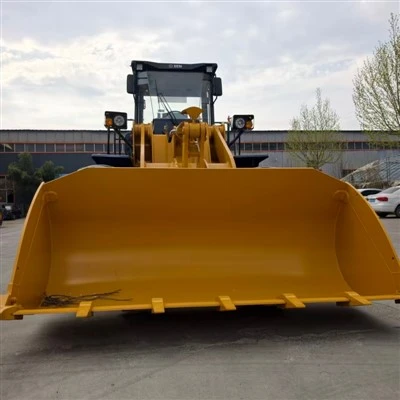
As an excavator supplier, our goal isn’t just to sell you a machine—it’s to help you keep it running for years, and to minimize your downtime when issues do arise. If you’re dealing with persistent problems you can’t resolve, or you’re looking to upgrade your fleet with a newer, more reliable model, our team has the expertise to guide you. We offer on-site support, maintenance training, and genuine, high-quality parts to keep your excavator performing at its best. To discuss your excavator needs, whether it’s troubleshooting help, part replacements, or a new machine purchase, reach out to our team to start a conversation about how we can support your operation.
Loader References
- Construction Equipment Association. (2022). Maintenance and Troubleshooting Guide for Heavy Excavators.
- Caterpillar Inc. (2021). Hydraulic System Troubleshooting for Medium Excavators.
- International Union of Operating Engineers. (2020). Best Practices for Excavator Operator Training and Preventive Maintenance.
- Komatsu Ltd. (2023). Engine Performance Diagnostics for Modern Excavator Models.
- National Heavy Equipment Operators Association. (2021). Undercarriage Maintenance and Troubleshooting Guide.
Shandong Feisite Machinery Co., Ltd.
As one of the most professional excavator manufacturers and suppliers in China, we’re featured by quality products and good service. Please rest assured to buy cheap excavator made in China here and get quotation from our factory. Customized orders are welcome.
Address: 100 meters south of Zengfusi Village, Mihe Town, Qingzhou City, Shandong Province
E-mail: Wpeng19911103@qq.com
WebSite: https://www.shandongfeisite.com/
