Hey there, Coir Mattress
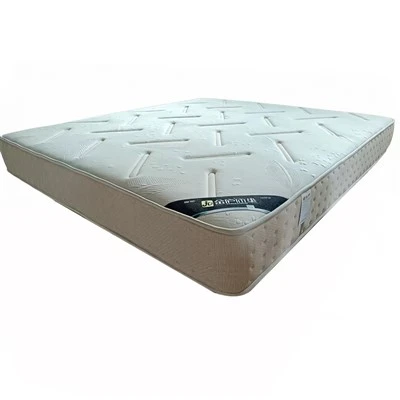
If you’ve ever shopped for a new mattress, you’ve probably seen coir mattresses pop up more and more lately—they’re marketed as natural, eco-friendly, and perfect for people who want something a step up from basic foam or spring beds. As someone who’s been in the coir mattress game for over 10 years, I get why they’re popular: coir comes from coconut husks, right? It’s renewable, it’s firm, and it’s supposed to hold its shape way longer than memory foam. But let’s cut to the chase—no product is perfect, and I’m here to pull back the curtain on the real downsides of coir mattresses, not just the sales pitch.
First off, let’s get what coir actually is straight. It’s that rough, fibrous stuff you get when you break open a coconut’s outer shell. We process it into either hard, compressed sheets for traditional firm mattresses or mix it with latex for a softer hybrid. When customers first come to me asking about coir, they usually want something that doesn’t have all the weird chemicals in synthetic mattresses, but they don’t always realize the tradeoffs that come with that natural fiber.
Let’s start with the biggest one for most people: they’re way heavier than other mattress types. I’m not talking a “carrying it up a flight of stairs” heavy (though that’s a thing)—I’m talking, a full-size coir mattress can hit 80 to 100 pounds. Compare that to a memory foam mattress of the same size, which is usually 50 to 70 pounds, and suddenly you’re looking at a real hassle. I’ve had customers tell me they tried to move it themselves and ended up with a back ache for a week. Even setting it up takes two people—trying to wrestle a full coir mattress onto a bed frame alone? Don’t do it. And forget about flipping it every few months like some brands tell you to; if you’ve got a bad back, hauling that thing around is the last thing you want. That’s a big one I don’t see a lot of other coir suppliers talking about.
Next, moisture is coir’s worst enemy. Coconut fibers are naturally porous, which means they soak up water like a sponge. Now, a little sweat from a hot night? That’s fine—most people don’t lose that much moisture while sleeping, and the fibers will dry out over time. But spill a glass of water on it, or live in a super humid place like Florida or Southeast Asia, and you’ve got a problem. I’ve had a customer come to me last year whose coir mattress developed a mold spot after a heavy rain leaked through their window onto the bed. And mold isn’t just gross—it can trigger allergies, asthma, that whole thing. Even if you don’t have a leak, high humidity over months can make the mattress feel damp, not fresh. Some suppliers treat coir with water-repellent chemicals, but that kinda defeats the “natural” benefit a lot of people are after. I’ve always told customers: if you’re in a really damp climate, maybe coir isn’t your best bet.
Then there’s the firmness thing. A lot of people buy coir because they want that orthopedic, supportive feel for their back. But here’s the catch: not all coir is created equal. Cheap, compressed coir mattresses (the ones from big-box stores that cost $200) are so firm they’re almost like a board. I’ve had customers say they woke up with stiff necks or sore shoulders because the mattress doesn’t give enough to cushion pressure points—like your hips and shoulders. Even our premium coir mattresses, which have a thin layer of latex on top, are still way firmer than a hybrid or pillow-top. If you’re a side sleeper, that’s a huge issue. Side sleepers need something that gives a little so their shoulders and hips don’t sink into the mattress too much, but coir doesn’t do that well. I’ve turned away side sleepers more than once because I know they’ll end up hating it. Some people love the firmness, but if you prefer a soft or medium feel, coir’s probably not for you.
Another downside: that initial smell. Coir, especially when it’s new, has a distinct, earthy, almost mildewy scent. It’s not like the harsh chemical smell of new synthetic mattresses, but it’s strong enough that some people can’t stand it. I tell customers to air it out for 3 to 5 days before using it, but even then, some of them notice it for weeks. Latex-infused coir might smell a little like latex too, but the raw coir smell is the main culprit. I’ve had a few customers bring it back because the smell wouldn’t go away, and that’s totally fair—sleeping on a mattress that smells off is not fun at all.
Wait, let’s talk about durability too, but the flip side is a lot of people get it wrong. Coir is supposed to last 10 to 15 years, right? But that only happens if you take care of it. If you don’t keep it dry, or if you’re constantly jumping on it (sorry, pet owners and kids), the compressed fibers can break down. A cheap coir mattress might start sagging in 3 to 5 years, especially if it’s not made with high-quality coir fibers. Some suppliers use old, low-grade coconut husks that break down way faster, and that’s why a lot of people say coir “isn’t durable.” But I’ll be honest—if you get a good one, it can last a long time. Just don’t expect the $200 one from Walmart to hold up. That’s a misinformation thing, but I want to be clear with my customers: you get what you pay for, and cheap coir is a waste of money.
Oh, and let’s not forget about allergies. Wait, earlier I said mold can trigger allergies, but some people are actually allergic to coir itself. The fibers can have tiny bits of coconut pollen or dust from the processing, and that can cause sneezing, itchy eyes, even skin irritation. It’s not super common, but it’s a real thing. I’ve had one or two customers test it out for a day and then come back saying they can’t be near it because of their allergies. Most people don’t know that before they buy, so it’s something to mention.
Now, I don’t want this to sound like I’m bashing coir mattresses. Because I sell them, right? And I’ve seen firsthand how great they are for the right person. If you’re a back sleeper, live in a dry climate, don’t mind a firm feel, and don’t have to move it up stairs every year, coir can be amazing. It’s natural, it’s breathable (wait, that’s actually a plus—for dry sleepers, it keeps you cooler than memory foam), and it’s eco-friendly because it’s made from a waste product of coconut farming. But the point is, a lot of the hype around coir makes it sound like it’s perfect for everyone, and that’s just not true.
I’ve had customers come to me after buying a coir mattress elsewhere, frustrated because they didn’t know about the weight or the moisture issue. That’s why I’m being transparent here— I don’t want people to waste their money on a mattress that’s not gonna work for them. So if you’re thinking about getting a coir mattress, ask yourself: where do I live? Is the climate super humid? Do I need a soft feel? Am I able to move heavy stuff? Those are the things that’ll make or break it.
At the end of the day, every mattress has its pros and cons. I’d never push a product that I wouldn’t recommend to my own family. If coir sounds like it fits your needs, I’ve got a range of options—from the traditional firm ones for back sleepers to the hybrid coir-latex ones that are a little softer. But if you’re still on the fence, reach out, and I can chat through what’s right for you. No pressure, just honest advice.
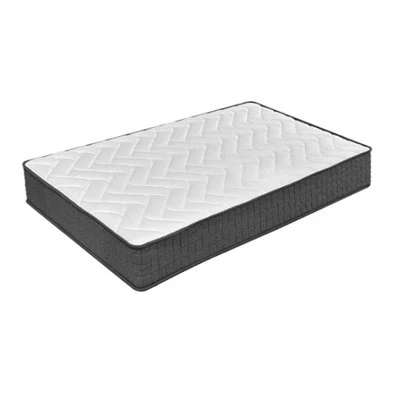
Like I said, no product is without its flaws, and coir’s downsides are real. But for the right person, it’s a solid, natural choice. If you’re ready to talk through your options or place an order, don’t hesitate to get in touch. I’m here to help make sure you get a mattress that works for you, not the other way around.
Sponge Mattress References
- International Union for Conservation of Nature. (2021). Coconut Coir: Properties, Applications, and Environmental Impact.
- Sleep Foundation. (2022. Natural Mattress Materials: Pros, Cons, and Care Tips.
- Journal of Environmental Management. (2020. Moisture Absorption and Mold Growth in Natural Fiber Mattresses.
- American Academy of Allergy, Asthma & Immunology. (2021. Common Allergens in Bedding Materials.
- National Sleep Foundation. (2023. Mattress Firmness and Sleep Posture: Matching Firmness to Sleeper Type.
Jiujiang Jinlu Furniture Co., Ltd.
As one of the most professional coir mattress manufacturers and suppliers in China, we offer a wide range of products with superior quality. Please feel free to wholesale customized coir mattress at competitive price from our factory. For quotation, contact us now.
Address: No.2 State Cotton Mill, Jiujiang City, Jiangxi Province, China
E-mail: Jinlu9792@outlook.com
WebSite: https://www.jinlufurniture.com/
