If you’re reading this, you probably don’t work with a Special Transformer every day—you’re an engineer who just upgraded a rig, a facility manager who cleared out a spare parts closet, or maybe even a fellow transformer supplier who landed an outdated unit in a trade-in. Whatever your situation, letting that bulky, specialized piece of equipment collect dust in a corner or tossing it in a standard waste bin is a bad call. These transformers aren’t just metal boxes with wires; most of the ones we’ve supplied over the years have things like mineral oil for insulation, rare earth metals in their cores, and even small amounts of PCBs in units built before the 1990s. Mess that up, and you’re not just looking at a fine—you’re risking soil and water contamination that’s a total headache to clean up. And for a company that’s spent decades designing, building, and servicing these things, we’ve seen way too many people cut corners here, so let’s break this down like we’re talking shop over a coffee. Special Transformer
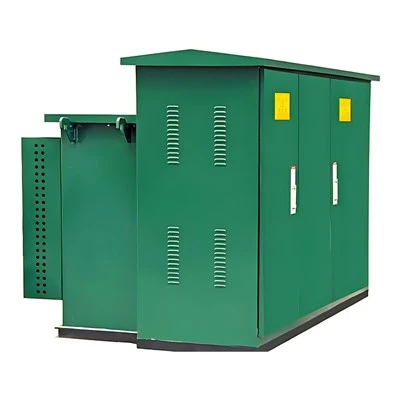
First, let’s get one thing straight: a Special Transformer isn’t your run-of-the-mill pole transformer you see on every street corner. These are the ones we ship out for industrial use—think high-voltage units for manufacturing plants, compact distribution transformers for data centers, or custom-built ones for renewable energy setups like wind turbines. They’re built to last 20, 30, even 40 years, but when their time comes, they don’t just go away. The first mistake people make is skipping the audit step—they grab a junk hauler and call it a day, but that’s how you end up with a hauler refusing the load because they didn’t know about the oil, or worse, a spill that seeps into the ground. So step one: do a quick internal check before you even reach for a phone.
Start with the nameplate—That little metal tag bolted to the side? It has all the critical info. Look for dates (manufacture year), voltage specs, and any markings like “PCB” or “Non-PCB.” If it’s a unit made before 1979, there’s a decent chance it has PCBs in the insulation or oil—those are super toxic, so you can’t just toss those. If it’s a newer unit, the risk is lower, but there’s still mineral oil, copper, aluminum, and sometimes rare earth metals in the core that need special handling. If you can’t read the nameplate (it’s rusted off, or someone ground it down), don’t guess—send a photo to someone who knows, or bring in a technician to test the oil. I can’t tell you how many times we’ve gotten a call from a customer who thought their 1985 transformer was safe, only to find out it had PCB content 10x the legal limit.
Once you know what you’re dealing with, the next step is assessing if the transformer is even beyond use. A lot of people assume a Special Transformer is done just because it’s old, but that’s rarely the case. We’ve traded in units that were 25 years old, just because a plant upgraded their voltage system—those units are still in great shape, and someone else would kill to buy them for spare parts or rewire. We even work with third-party refurbishers who can update old units to meet current safety codes, so that’s a win-win: you don’t have to dispose of it, you offset the cost of your new one, and you keep usable equipment out of a landfill. That’s way better than paying a hauler to take it away, right?
But if it’s truly dead—maybe it shorted out, the core is warped, or repairs would cost more than a new unit—then it’s time to move to the disposal steps, and this is where things get specific. Let’s split this into two categories: Non-PCB Special Transformers and PCB-Containing Special Transformers, because the rules for each are night and day.
Non-PCB units are the most common ones we deal with post-2000. These have mineral-based insulation oil, no PCBs, and usually have recyclable parts. First, don’t take it to a standard municipal landfill—most won’t accept large industrial equipment because they can’t process the oil or metal safely. Instead, look for a waste hauler that’s certified for industrial electrical waste. Ask them if they handle transformer components specifically; some haulers will just send it to a landfill, but good ones will have a process to drain the oil, separate the metal, and send the oil to a facility that can re-refine it (it’s actually useful for lubricants or other industrial uses, not just waste). The metals—copper from windings, aluminum from the tank, steel from the core—are 100% recyclable, so that’s not even a problem, as long as the hauler knows how to handle them without spilling. Pro tip: if you’re working with a hauler, get a written disposal certificate at the end. That’s your proof you didn’t just dump it illegally, which is a lifesaver if an inspector comes around later.
Now, the big one: PCB-containing Special Transformers. These are the units built between the 1950s and late 1970s, when PCBs were common for insulation because they don’t burn easily. The Environmental Protection Agency (EPA) has super strict rules for these, and if you mess up, fines can be tens of thousands of dollars—we’re talking real money. First, never, ever drain the oil yourself. The oil is toxic, and if it spills, you’re responsible for cleaning up any contamination. Instead, hire a EPA-licensed electrical waste company that specializes in PCB transformers. They’ll drain the oil properly, store it in sealed, labeled containers, and send it to a approved hazardous waste facility. The unit itself (the tank, core, windings) will be treated as hazardous material, so it can’t go to a regular scrap yard. Some facilities will even process the metal to remove any trace PCBs, so it can be recycled later, but that’s a specialized process—don’t assume a regular scrap yard knows how to do that. Also, keep all your paperwork for this—you’ll need it if you ever get audited, and it’s just good practice.
Wait, but what if you want to scrap the parts yourself? We get that. Sometimes a customer has a bunch of old transformers and wants to pull the copper windings to sell as scrap, but you have to do this safely. First, if it’s a PCB unit, don’t even try to pull the windings without a pro—disturbing the tank could release PCBs into the air or soil. For non-PCB units, drain the oil first (use a pump, don’t just punch a hole in the tank), then let the oil settle for a day or two before draining it into a sealed drum. Then, you can cut the windings to separate the copper, but make sure you wear gloves and a mask—old transformers can have insulation dust that’s not great to breathe. And when you sell the scrap, tell the scrap yard it’s from a Special Transformer, not a regular one—they need to know what’s in the metal to process it safely.
One thing a lot of people overlook: even if you dispose of it correctly, you can prevent the need for disposal in the first place. As a Special Transformer supplier, we tell all our customers to set up a regular maintenance schedule. A well-maintained transformer can last 50+ years, and we’ve seen units from the 1970s that are still going strong because someone checked the oil, tested the insulation, and replaced small parts when they needed to. Last year, one of our clients had a 1972 Special Transformer that we serviced, and they ended up not needing a new unit for another 10 years—that saved them hundreds of thousands of dollars and the hassle of disposing of the old one. Also, when you’re ready for a new unit, ask us about trade-in programs. We work with a network of refurbishers and recyclers, so we can take your old unit off your hands, give you a discount on your new one, and handle all the disposal correctly. It’s a win for you, a win for us, and a win for the environment.
Let’s talk about common mistakes we see all the time. First, assuming “old” means toxic. A lot of people see a transformer that’s 30 years old and immediately label it as PCB, but that’s not true. Some manufacturers stopped using PCBs as early as the 1970s, so a unit from 1978 might be PCB-free. Skip the test, and you could pay for a service you don’t need, but guess wrong, and you’re in trouble. Second, using a cheap hauler. We’ve had customers hire a guy with a pickup truck to haul off their old transformer, and he dumped it in a field. That’s not only illegal, but if the oil leaks, the customer is on the hook for the entire cleanup—including testing the soil and water, which can cost more than a proper disposal service. Third, skipping the paperwork. The EPA and other environmental agencies track industrial waste, and if you can’t prove you disposed of your transformer correctly, you’ll get a fine. It’s not a big hassle to get a certificate, but it’s a huge hassle to fight a fine later.
And what about smaller parts? If you’re only replacing a component (like a fuse or a cooling fan) from a Special Transformer, those parts might have their own rules. Fuses can have small amounts of lead, so don’t toss them in regular trash—look for a local electronics recycling event, or a hauler that handles small hazardous parts. Cooling fans might have rare earth metals, so again, don’t just toss them. As a supplier, we usually have these parts on hand for replacement, so if you’re upgrading, ask if we can take the old parts back—we work with recyclers to process them properly.

At the end of the day, disposing of a Special Transformer isn’t like throwing away a broken toaster. It’s industrial equipment with materials that can be harmful if not handled right, but with a little planning, it’s totally manageable. The key steps are: check the nameplate/test for toxins first, see if it can be reused or refurbished, work with certified haulers or recyclers, and keep all your paperwork. If you’re not sure where to start, or you’re ready to trade in your old unit for a new Special Transformer, we’re here to help. We don’t just sell equipment—we help our customers every step of the way, from installation to, yeah, even disposal. Don’t cut corners here; a little extra care now saves you a ton of stress later.
Dry Type Transformer References
U.S. Environmental Protection Agency. (2022). Guidelines for Disposal of Electrical Transformers Containing PCBs.
Institute of Electrical and Electronics Engineers (IEEE). (2021). Standard Practices for Transformer Maintenance and End-of-Life Handling.
National Electrical Manufacturers Association (NEMA). (2020). Best Practices for Industrial Transformer Recycling and Disposal.
Jiangsu Yuantong Electric Co., Ltd.
As one of the most professional special transformer manufacturers and suppliers in China, we also support customized service. We warmly welcome you to wholesale bulk special transformer for sale here from our factory. For more information, contact us now.
Address: No.68 Xiyuan Avenue, Hai’an Industrial Park, Hai’an City, Jiangsu Province, China
E-mail: aaron@jsytelectric.com
WebSite: https://www.yuantongtransformer.com/
