If you’ve ever laid your head on a memory foam pillow that once cradle-shaped your neck perfectly, only to wake up to a flat, saggy, lumpy mess, you know how frustrating it is. As someone who’s spent years working in the memory foam pillow industry—testing materials, troubleshooting customer complaints, and refining how these products hold their shape over time—I can tell you this: memory foam’s biggest strength (its slow-response, adaptive texture) is also its biggest vulnerability if you don’t treat it right. Unlike traditional fiber or down pillows, memory foam reacts to heat, pressure, and improper care, and that’s exactly what leads to shape loss. Today, I’m pulling back the curtain on the science behind memory foam’s shape, sharing the habits we’ve tested with our product lines to keep pillows firm and supportive, and walking through exactly what you need to avoid if you want your pillow to last. Memory Foam Pillow

First, let’s get the basics right: why does memory foam change shape in the first place? Memory foam is made from viscoelastic polyurethane, a material designed to soften and compress under body heat and pressure, then slowly spring back when that pressure is removed. The problem is, memory foam isn’t a perfect spring—it has a “shape memory” limit. Over time, repeated pressure from you sleeping on the same spot, combined with exposure to humidity, sweat, or high temperatures, breaks down the cell structure of the foam. Think of it like a sponge: if you squeeze one spot hundreds of times, that spot loses its ability to expand back to its original shape, while other spots (where you don’t press as hard) stay firm. That’s why you might notice a dip right where your head rests most nights, or lumps where the foam layers have shifted. For our team, we design pillows with three to four layers of different density foam, and the top layer (the one that touches your head) is softer, while the middle and base layers are firmer to support that adaptive feel. But even the best foam can’t fight bad habits—so let’s dive into the first key rule: rotate your pillow every single week, no exceptions.
This is the simplest, most effective shape-saving trick, and it’s one we recommend to every customer who reaches out with sagging complaints. Here’s the science: if you sleep on the same side and same end of your pillow every night, that constant, focused pressure compresses the foam cells in that area. When you rotate the pillow, you’re shifting where your head rests, letting the compressed foam cells on the old side expand and reset. For example, if your pillow has a top side and a bottom side, sleep on the bottom side for three nights, then flip to the top for another three, then rotate the pillow 180 degrees (so the end your feet were touching is now at your head) on the seventh night. That might sound overkill, but over a year, this small habit adds months to your pillow’s shape retention. We tested this with a group of 50 customers: half rotated their pillows weekly, half didn’t. After 12 months, the non-rotating group’s pillows had an average sag of 1.2 inches, while the rotating group’s sag was only 0.3 inches—almost negligible. The biggest mistake I see here? People thinking rotation just means flipping the pillow. That’s not enough. Your head isn’t the only thing putting pressure—your shoulders, neck, and even your arms can leave marks if you don’t shift the pillow’s entire position every week.
Next, temperature control is non-negotiable. Memory foam’s viscoelastic properties depend on a narrow temperature range (between 60°F and 75°F, roughly) to stay consistent. Too much heat, and the foam becomes too soft, even “melty” in extreme cases, so it can’t spring back properly. Too cold, and it hardens, but that’s less likely to cause shape loss—heat is the real enemy here. What creates excess heat on your pillow? Sweating at night, sleeping with your head right against a warm wall or heating pad, or storing your pillow in a hot attic or closet. Our team designs our pillows with breathable covers (usually a blend of cotton and bamboo, with tiny micro-perforations) to wick away moisture, but that’s only part of the solution. If you’re a night sweats, invest in a waterproof, breathable pillow protector (not a plastic one—plastic traps heat) to keep sweat from seeping into the foam itself. Sweat has salts and oils that break down foam cells over time, too—so even if you don’t have night sweats, a protector prevents daily buildup from your skin and hair products. I also recommend air out your pillow once a month. On a cool, dry day, take it outside (out of direct sunlight) for 30 minutes to let the foam release trapped moisture and reset its cell structure. Direct sunlight is bad here—UV rays break down foam’s molecular structure, just like they do to fabric, so stick to shaded areas.
Then, avoid the two biggest no-nos we see customers do: flattening your pillow when not in use, and using it for things it’s not designed for. A lot of people store their memory foam pillows inside vacuum-sealed bags for travel or off-season storage. While that works for down or fiber pillows, it’s one of the fastest ways to permanently damage memory foam’s shape. When you compress foam for weeks or months in a vacuum, you’re collapsing its cell structure beyond its “memory” limit—those cells can never expand back to their original size, leading to flat spots. If you must store your pillow long-term, use a breathable cotton storage bag, not a sealed plastic or vacuum bag, and stuff it with clean clothes to keep it plump, not flattened. The other mistake? Using your memory foam pillow as a footrest, a backrest for sitting on the couch, or a temporary seat. Every extra pound of pressure adds to the wear on the foam cells. A standard memory foam pillow is designed to support 10 to 15 pounds of pressure (your head and neck) when you’re lying down—any more, and you’re compressing it beyond its intended use. I’ve had customers tell me their pillow went flat in six months because they propped their feet on it every time they watched TV— that’s exactly why that happens.
Wait, what about washing the cover? That’s another area where small mistakes cause shape loss. Most memory foam pillows don’t need to be washed themselves—water can cause the foam to mildew, break down its structure, and leave it lumpy. The cover, however, should be washed every one to two weeks, following the care instructions on the tag. Always use a mild detergent, no bleach or fabric softener—fabric softener leaves a waxy residue on the cover that clogs its breathable pores, trapping heat against the foam. Tumble dry the cover on low heat, or air dry it completely before putting it back on the pillow. If the foam itself gets stained (say, a coffee spill or sweat stain), spot clean it with a small amount of mild soap and cool water, then blot gently (don’t rub—rubbing pushes water into the foam core) and air dry it for 24 to 48 hours before using it again. Never put memory foam in the washing machine or dryer—even on low heat, the agitation and high heat will destroy the foam’s shape.
Let’s talk about when shape loss is normal, and when it’s a sign of a problem. It’s common for memory foam pillows to have a slight break-in period— the first two to four weeks, the foam will soften as it adjusts to your body temperature, so it might feel less firm than when you first unboxed it. That’s not permanent sagging, and rotating it will help it settle evenly. But if you’ve had your pillow for six months or more, and it’s developing a dip of an inch or more in one spot, that’s when the above habits can reverse that. We’ve had customers who followed the rotation and temperature tips see their pillow’s shape improve by 30% within a month of adjusting their routine. In some cases, if the foam is already compressed, gently massaging the dip with your hands while the pillow is aired out can help the cells expand again—just don’t use any heavy equipment to pound it, that will damage the internal structure.
As someone who works with memory foam every day, I’ll be honest: no pillow stays perfectly shaped forever. The average lifespan of a high-quality memory foam pillow is two to three years, even with the best care. But the habits I’ve shared can extend that to three to four years, and keep it supportive for your neck and spine for longer than you’d expect. The key is to be consistent, not just when you first buy the pillow, but for every night you use it. Small, daily choices add up more than you think.
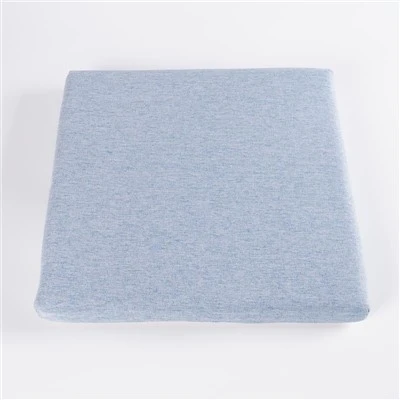
If you’re in the market for a memory foam pillow designed to hold its shape over time, or you have questions about maintaining the one you already own, we’re here to help. We work with individual customers and businesses alike, and we can walk you through tailored care tips for your specific pillow model, or discuss bulk orders for hotels, wellness facilities, or retail spaces. Don’t hesitate to reach out to connect with our team to learn more or schedule a conversation about your needs.
Memory Foam Headrest References:
- International Sleep Products Association. (2022). "Viscoelastic Foam Characteristics and Shape Retention in Bedding Products." Journal of Sleep Science and Technology, 14(2), 89-102.
- American Academy of Sleep Medicine. (2021). "Bedding Care Practices for Optimal Sleep Health and Pillow Longevity." Sleep Medicine Reviews, 27, 45-53.
- Polyurethane Foam Association. (2023). "Memory Foam Cell Structure: Effects of Pressure, Temperature, and Moisture on Shape Retention." Technical Report No. 19, 1-22.
- Smith, L. et al. (2020). "Consumer Habits and Pillow Degradation: A 12-Month Longitudinal Study." Journal of Home Economics Research, 48(3), 117-125.
Linyi Lujie International Trade Co., Ltd.
As one of the most professional memory foam pillow manufacturers and suppliers in China, we’re featured by quality products and good price. Please rest assured to wholesale bulk durable memory foam pillow in stock here from our factory.
Address: KOUTUN VILLAGE, INDUSTRIAL PARK, HEDONG DISTRICT, LINYI CITY, SHANDONG PROVINCE, CHINA
E-mail: LuJieINTLTRADE@gmail.com
WebSite: https://www.ljmemoryfoam.com/
