If you’re in the market for BA9S bulbs—whether you’re outfitting vintage car dashboards, retro string lights, or small decorative fixtures—you’ve probably glanced at the packaging or product listings and seen numbers like 2700K, 5000K, or even 6500K thrown around. Wait, what does that K mean, anyway? And do BA9S bulbs come in all the color temperatures you see for larger bulb types like A19s? As someone who’s been selling BA9S bulbs for years, I get it—this stuff can feel confusing if you’re not deep in the lighting game. Let me break it down straight, no jargon that makes your eyes glaze over. BA9S Bulb

First, let’s get the basics: BA9S is a tiny, classic bulb base—think of it as the little “bayonet 9 millimeter” connector that’s super common in niche, retro, or compact applications. Unlike standard screw bases, it’s two little prongs that lock into place, which is why it’s used for things like old motorcycle turn signals, dollhouse lighting, or even the tiny indicator lights on vintage radios. Now, color temperature (that K number) is just a way to describe how “warm” or “cool” a light looks. Warm light is yellowish, like a sunset or an old incandescent bulb—usually 2700K to 3000K. Cool light is bluish, like office overheads or a phone screen at noon—anywhere from 4000K to 6500K.
Do BA9S bulbs cover the full range of color temps? Short answer: mostly, but they have some limits based on what the bulbs are made of—incandescent, LED, halogen, whatever. Let’s go through each type because that’s where the differences show up, and as a supplier, I see this every day.
First up, incandescent BA9S bulbs. These are the OG, right? The ones that have been around for a century, with a thin filament that heats up and glows. What color temp do they put out? Almost all standard incandescent BA9S bulbs are 2700K. That’s that cozy, golden yellow you remember from old table lamps—no blues, no harsh whiteness, just smooth, warm light. Wait, can you get incandescent BA9S in other temps? Yeah, sometimes specialty ones, but they’re rare. The only other common one I see is a 3000K soft white incandescent, which is a tiny bit less yellow, but even then, most folks don’t ask for that. The thing with incandescents is that they’re being phased out in a lot of places for energy efficiency, so if you’re hunting for BA9S incandescents, you’re probably looking for replacement parts for something old—like a 1960s Ford Falcon’s dome light, or a vintage Christmas ornament bulb. I still stock a small batch of them, and they fly off the shelves for people restoring classic gear.
Next, halogen BA9S bulbs. Halogen is like a step up from incandescent—they burn brighter, last longer, and their color temp is a little higher. Most standard halogen BA9S bulbs sit around 3000K, that soft white that’s not quite as yellow as incandescent but still warm enough to feel cozy. But here’s the big difference: some halogen BA9S bulbs for automotive use (like turn signals or brake lights) are actually 4000K? No, wait, no—wait, automotive signal lights are usually amber, which is a different color, but the white halogens for headlights (wait no, headlights are bigger bases) no, for BA9S halogens, the white ones are mostly 3000K. The amber ones are a whole separate thing, but that’s color, not color temp. I’ve had customers ask for “cool white halogen BA9S” before, and honestly, that’s not a thing for the base size. Halogens just can’t push to the cooler temps like LEDs can, because their filament chemistry limits how hot it can get without burning out. So if you want a halogen BA9S, it’s 2700K or 3000K max. No 5000K halogens here.
Now, the big one these days: LED BA9S bulbs. This is where the color temperature range gets really flexible, which is why most of my inventory is LED now. LEDs use semiconductor chips, so you can tweak the color temp to pretty much whatever you want, as long as the chip and phosphor coating (that stuff that makes the light not blue) can handle it. Let’s walk through what I actually stock, because that’s what matters for a customer.
First, the warm ones: 2700K and 3000K. These are the bestsellers by a mile. Why? Most people use BA9S bulbs for decorative stuff—like fairy lights, dollhouses, under-cabinet accent lighting, or vintage appliance indicator lights. Warm white is classic, matches old decor, and doesn’t feel harsh. I can’t tell you how many times a customer has emailed me saying, “I need BA9S bulbs for my 1950s dining room chandelier that only takes BA9S, and I don’t want that weird bright blue light.” That’s 2700K or 3000K exactly—perfect for that cozy, nostalgic vibe.
Then there’s the neutral white, which is around 4000K. Wait, 4000K is that middle ground—between warm yellow and cool blue, looks like the light on a cloudy day. Who uses that? Lately, small business owners! I have a lot of customers running vintage-style cafes that use BA9S bulbs for display cases, or tiny retail fixtures. They don’t want the yellow of incandescents, but they also don’t want the harsh blue of 5000K+, so 4000K is their sweet spot. It’s bright enough to show off products, but still feels inviting, not like a hospital waiting room. I stocked 4000K BA9S LEDs about 3 years ago, and they’ve steadily grown in sales—last year, they made up 20% of my LED BA9S orders, which is a big jump from when I first added them.
Now, the cool ones: 5000K and 6500K. Wait, do BA9S LEDs even go that high? Let’s be real—5000K is bright white, like direct sunlight, and 6500K is that harsh, blueish white you see in some garage lights. Do people ask for these for BA9S? Rarely. The only time I see 5000K BA9S is for automotive reverse lights or workshop indicator lights—places where you need super bright, clear light to see what you’re doing. 6500K is even rarer, mostly used for specialty industrial indicator lights, not the residential or decorative stuff that makes up most of my business. I do keep a small stock of 5000K BA9S for those specific requests, but it’s a tiny portion of what I sell. 6500K? I’ve only gotten 3 orders for it in the last 2 years, so I basically just keep one box on hand “just in case.”
Wait, let’s clear up a common myth here: some people think that because BA9S bulbs are small, they can’t have a wide color temp range. That’s not true for LEDs—modern chip tech is tiny enough that even the smallest BA9S bulbs (which are often only 10mm in diameter) can fit different phosphor coatings to adjust the color. The limits come from what’s practical. If you need a warm bulb for a vintage sign, 2700K works. If you need a bright bulb for a motorcycle reverse light, 5000K is there. The only thing you won’t find much of is BA9S in weird, non-standard temps—like 2500K (extra warm, almost orange) or 7000K (super blue). Those are too niche for the small BA9S market, so suppliers usually skip them because they don’t sell enough to justify the inventory.
Another thing to mention: color temperature isn’t the only factor when picking BA9S bulbs, but it’s a big one. I once had a customer come back to me saying, “The BA9S bulbs I bought from another place are too blue for my vintage Christmas lights, can you swap them?” Turns out, the other supplier had sold them 5000K LEDs, thinking white was white, not realizing how different 5000K looks from 2700K. That’s why it’s important to specify the K number when you order—don’t just say “BA9S bulbs” if you want warm light, say 2700K. It saves you hassle, and saves me from having to do a return.
Also, let’s talk about why you might pick one temp over another, depending on your use case. If it’s decorative (dollhouses, string lights, accent fixtures), stick to 2700K or 3000K—they’re the most timeless, match most old decor, and don’t clash with warm paint or wood tones. If it’s functional (indicator lights, reverse lights, workshop fixtures), go for 4000K or 5000K—they’re brighter, easier to see, and the neutral or cool white doesn’t strain your eyes when you’re trying to check a gauge or back up a car. The specialty stuff is just for very specific projects—like a museum exhibit that needs bright, color-accurate light, but even then, 5000K is usually enough.
Now, as a supplier, what do I recommend? If you’re not sure, start with 2700K or 3000K. That’s the sweet spot for 90% of BA9S bulb uses. If you need something brighter, go 4000K. Only grab 5000K or higher if you have a specific functional need. And if you’re restoring something old—say, a 1950s radio or a classic motorcycle—double check: some vintage devices specify a certain bulb, but the color temp is almost always the warm 2700K, so you don’t have to worry about matching a weird old temp.
Wait, one last thing: a lot of people mix up color temperature and color rendering index (CRI), but that’s a whole other topic. CRI is how accurately a light shows true colors, right? If you care about that (like for a art display), go for a CRI of 80 or higher, which all of my BA9S LEDs have. Most suppliers cut corners on CRI for super cheap LEDs, but that’s not something I do—my bulbs look like real light, not that washed-out, blue garbage that makes red things look pink.
So, to wrap this up: BA9S bulbs come in a range of color temperatures, but the exact ones depend on the bulb type. Incandescent and halogen are mostly 2700K to 3000K, perfect for warm, nostalgic light. LEDs cover way more, from 2700K for decor up to 5000K for functional use, with 6500K being a rare specialty option. There’s no need to hunt for weird temps—stick to the ones that match your project, and you’ll be good.
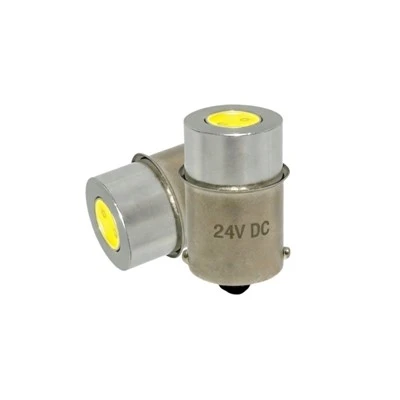
If you’re looking to stock up on BA9S bulbs, or you need help figuring out which color temp is right for your project, I’m here to help. Don’t hesitate to reach out to chat through your needs—whether you’re a hobbyist restoring a classic car, a small business owner outfitting a retail space, or just someone needing replacement bulbs for a dollhouse. I’ve been in this game long enough to know what works, and I’m happy to point you in the right direction.
BA15D/BAY15D Bulb References
- Lighting Research Center, Rensselaer Polytechnic Institute. "Understanding Color Temperature in Lighting." Accessed via educational lighting resources.
- U.S. Department of Energy. "LED Lighting Technology Basics." Department of Energy, Energy Efficiency & Renewable Energy.
- Automotive Lighting Technical Guide. Society of Automotive Engineers (SAE) International.
BULBPLAN Co., Ltd.
As one of the most professional ba9s bulb manufacturers and suppliers in China, our products have good reputation in the market. Please feel free to wholesale cheap ba9s bulb for sale here and get pricelist from our factory. Quality products and reasonable price are available.
Address: No. 86 Zhongli Road, Nancheng Street, Dongguan City, Guangdong Province
E-mail: Alex@bulbplan.com
WebSite: https://www.nicebulbs.com/
