Yo! As a supplier of plain woven fabric, I’ve always been fascinated by the long and rich history of this amazing material. So, I thought I’d take a deep dive into its past and share what I’ve learned with you all. Plain Woven Fabric
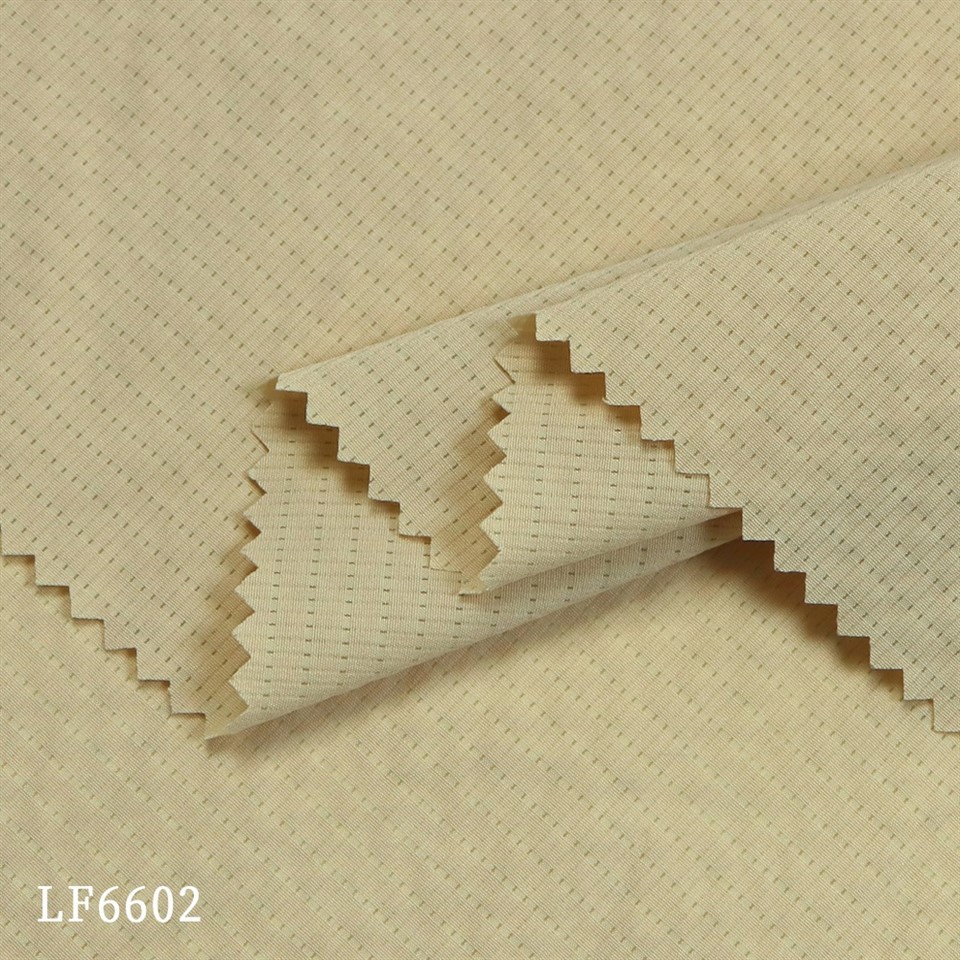
Let’s start way back in the ancient days. The origins of plain woven fabric can be traced back thousands of years. Archaeological evidence shows that people in ancient civilizations like Mesopotamia, Egypt, and the Indus Valley were weaving fabrics using the plain weave technique as early as 5000 BC.
In Mesopotamia, around 3000 BC, they were using simple looms to create plain woven textiles. These fabrics were mainly made from natural fibers such as flax. Flax was a popular choice because it was relatively easy to grow and process. The plain weave they created was quite basic but useful. It was used to make clothing, household items, and even for wrapping the dead in some cases.
Over in Egypt, the Egyptians were also masters of plain weaving. They used linen, which is made from flax fibers. Linen was highly prized in ancient Egypt. It was not only used for everyday clothing but also had religious and ceremonial significance. The pharaohs and the wealthy elite would wear fine linen garments that were often intricately decorated. The Egyptians developed more advanced looms, which allowed them to produce higher – quality plain woven fabrics with more even and tighter weaves.
The Indus Valley civilization, around 2500 BC, had a well – developed textile industry. They were weaving cotton into plain woven fabrics. Cotton was a game – changer because it was more comfortable to wear in warm climates compared to some other materials. Their plain woven cotton fabrics were traded far and wide, and the Indus Valley became an important center for textile production and trade in the ancient world.
Moving on to the classical era, the Greeks and Romans were big fans of plain woven fabrics too. The Greeks used wool and linen to make their signature clothing, like the chiton. The chiton was a simple, rectangle – shaped piece of plain woven fabric that was draped and pinned around the body. It was practical and comfortable for the active Greek lifestyle.
The Romans also made extensive use of plain woven textiles. They had a large – scale textile industry, with many workshops in cities. They produced woolen and linen fabrics in various colors and qualities. Plain woven togas, which were the symbol of Roman citizenship, were a staple of Roman fashion. The production of these fabrics was highly organized, with different workers specializing in different stages of the process, from shearing the sheep to dyeing and weaving the fabric.
During the Middle Ages in Europe, plain woven fabric production continued to evolve. Wool was the most common fiber used, especially in Western Europe. Guilds were formed to regulate the textile industry. These guilds set standards for the quality of the plain woven fabrics, the working conditions of the weavers, and the pricing of the products.
The new spinning wheels and looms were invented during this time, which increased the efficiency of fabric production. Monasteries also played an important role in the textile industry. Monks would grow their own flax and wool, and then weave it into plain woven fabrics for their own use and for trade.
In Asia, China was a powerhouse in textile production. The Chinese had been using silk to make plain woven fabrics for centuries. Silk was a closely guarded secret in China for a long time. The Chinese developed incredibly fine and luxurious silk plain woven fabrics, which were highly sought after in other parts of the world. The Silk Road was established, allowing these precious fabrics to be traded all the way to Europe.
In India, the production of cotton plain woven fabrics reached new heights. Indian weavers were known for their exquisite craftsmanship. They could create extremely fine and light cotton fabrics, like muslin. Muslin was so fine that it was said to be as soft as a cloud. These Indian cotton plain woven fabrics were also in high demand in international markets, and they were exported to many countries in the Middle East, Africa, and Europe.
Then came the Industrial Revolution in the 18th and 19th centuries. This was a huge turning point for plain woven fabric production. The invention of the flying shuttle by John Kay in 1733 and the spinning jenny by James Hargreaves in 1764 revolutionized the textile industry. These machines made it possible to produce plain woven fabrics at a much faster rate.
Factories were built, and mass production of plain woven fabrics became the norm. The use of steam power and later electricity further increased the efficiency of production. Cotton was the main fiber used during this period, and the United States became a major producer of cotton, which was then shipped to factories in Europe and the US for weaving into plain woven fabrics.
In the 20th and 21st centuries, plain woven fabric production has continued to grow and adapt. New synthetic fibers like polyester, nylon, and rayon have been introduced. These synthetic fibers offer different properties compared to natural fibers. For example, polyester is durable and wrinkle – resistant, while nylon is strong and lightweight.
The development of new weaving technologies has also allowed for more complex and innovative plain woven fabric designs. We can now create fabrics with different textures, patterns, and colors, all using the basic plain weave structure.
Today, plain woven fabric is used in a wide variety of applications. It’s in our clothing, from simple T – shirts to high – end suits. It’s used in home decor, like curtains, tablecloths, and bed sheets. It’s also used in industrial applications, such as in filters and upholstery.
As a plain woven fabric supplier, I’m constantly amazed by this material’s journey through history. It’s gone from being a simple product of ancient civilizations to a sophisticated and versatile material that we rely on every day.
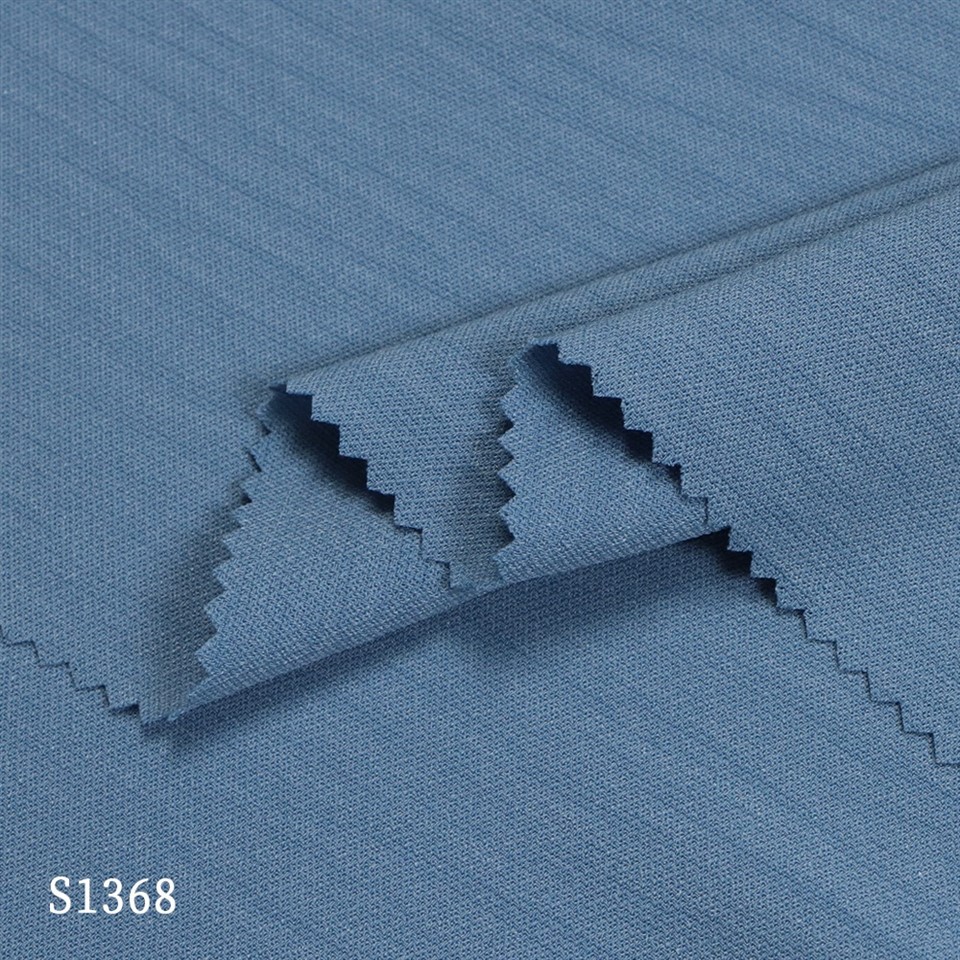
If you’re in the market for high – quality plain woven fabric, whether it’s for your clothing line, home decor project, or any other application, I’d love to have a chat with you. We’ve got a wide range of plain woven fabrics in different fibers, colors, and qualities. Don’t hesitate to reach out and let’s discuss how my plain woven fabrics can meet your needs.
Cavalry Twill References
- Beck, H. C. (2011). A History of Textiles. Thames & Hudson.
- Johnson, M. (2003). The Story of Cloth. Southwater.
- Parry, J. H. (Eds.). (1970). The Age of Reconnaissance: Discovery, Exploration, and Settlement 1450 – 1650. Weidenfeld & Nicolson.
Shaoxing Huichao Textile Co., Ltd.
As one of the most professional plain woven fabric manufacturers and suppliers in China, we offer a wide range of products with superior quality. We warmly welcome you to wholesale bulk plain woven fabric in stock here from our factory. If you have any enquiry about cooperation, please feel free to email us.
Address: Shenyue International Build ing, Unit 1603-1605, Keqiao District, Shaoxing City, Zhejiang Province, China
E-mail: darrenzhong@huichaotextile.com
WebSite: https://www.huichaotextile.com/
