Cutting imperial threads on a conventional lathe is a skill that combines precision, knowledge, and the right equipment. As a supplier of conventional lathes, I’ve seen firsthand the importance of mastering this process for machinists and manufacturers. In this blog, I’ll share a comprehensive guide on how to cut imperial threads on a conventional lathe, from understanding the basics to the step – by – step process. Conventional Lathe
Understanding Imperial Threads
Imperial threads are a system of screw threads used primarily in the United States and a few other countries. They are measured in threads per inch (TPI), which indicates the number of threads in one inch of the screw’s length. Common imperial thread sizes include 1/4 – 20, 3/8 – 16, and 1/2 – 13, where the first number represents the nominal diameter of the screw, and the second number is the TPI.
Preparing the Lathe
Before you start cutting imperial threads, you need to prepare your conventional lathe. Here are the key steps:
1. Select the Right Tool
The cutting tool is crucial for thread cutting. For imperial threads, you’ll need a threading tool with the correct shape and size. A 60 – degree threading tool is commonly used for V – shaped imperial threads. Make sure the tool is sharp and properly ground to ensure clean and accurate cuts.
2. Set the Lathe Speed
The speed at which the lathe rotates is important for thread cutting. Generally, a slower speed is recommended for thread cutting to ensure accuracy and prevent the tool from overheating. The appropriate speed depends on the material being cut and the diameter of the workpiece. For example, when cutting threads on steel, a speed of around 50 – 100 RPM is often suitable.
3. Engage the Threading Gear
Conventional lathes have a threading gearbox that allows you to select the appropriate TPI. Refer to the lathe’s gear chart to find the correct gear combination for the desired TPI. This chart will show you which gears to engage to achieve the specific threads per inch you need.
4. Set the Compound Rest
The compound rest is used to control the depth of cut. Set the compound rest at an angle of 29 degrees for a 60 – degree V – thread. This angle helps to ensure that the cutting tool enters the workpiece at the correct angle for proper thread formation.
Step – by – Step Thread Cutting Process
Now that the lathe is prepared, let’s go through the step – by – step process of cutting imperial threads:
1. Mount the Workpiece
Secure the workpiece in the lathe chuck. Make sure it is centered and tightly held to prevent any movement during the cutting process. Use a dial indicator to check the runout of the workpiece and make any necessary adjustments.
2. Position the Tool
Position the threading tool at the starting point of the thread. The tool should be aligned with the center of the workpiece. Use the cross – slide and carriage controls to move the tool into position.
3. Start the Lathe
Turn on the lathe and engage the threading gear. The lathe will start rotating the workpiece, and the carriage will move along the bed of the lathe at a rate determined by the selected TPI.
4. Make the First Pass
Lower the cutting tool into the workpiece using the compound rest. Make a light cut, typically around 0.002 – 0.005 inches deep. This initial pass is just to start the thread form.
5. Subsequent Passes
After the first pass, retract the tool using the cross – slide. Then, move the carriage back to the starting point. For each subsequent pass, increase the depth of cut slightly, usually around 0.001 – 0.003 inches per pass. Repeat this process until the thread reaches the desired depth.
6. Check the Thread
Periodically check the thread using a thread gauge. A thread gauge is a tool that allows you to measure the pitch and the fit of the thread. Make sure the thread matches the specifications of the desired imperial thread size.
7. Finish the Thread
Once the thread reaches the correct depth and pitch, make a final finishing pass to clean up the thread surface. This pass should be a very light cut to remove any rough edges and ensure a smooth finish.
Troubleshooting Common Issues
During the thread – cutting process, you may encounter some common issues. Here are a few solutions:
1. Chatter
Chatter can occur when the tool vibrates during the cutting process. This can be caused by a dull tool, improper tool height, or excessive cutting speed. To fix chatter, sharpen the tool, adjust the tool height to the center of the workpiece, and reduce the cutting speed.
2. Incorrect Thread Pitch
If the thread pitch is incorrect, it could be due to an incorrect gear selection or a problem with the lathe’s lead screw. Double – check the gear chart and make sure the correct gears are engaged. If the problem persists, check the lead screw for any damage or wear.
3. Rough Thread Surface
A rough thread surface can be caused by a dull tool, improper cutting speed, or insufficient lubrication. Sharpen the tool, adjust the cutting speed, and use a suitable cutting fluid to improve the surface finish.
Importance of Quality Lathes for Thread Cutting
As a conventional lathe supplier, I understand the significance of using a high – quality lathe for thread cutting. A well – built lathe provides the stability and precision needed for accurate thread cutting. It should have a robust spindle, a reliable gearbox, and smooth – operating slides.
Our conventional lathes are designed with these features in mind. They are built to withstand the rigors of thread cutting and other machining operations. The precision – ground components ensure consistent performance, and the user – friendly controls make it easy for machinists to set up and operate the lathe for thread cutting.
Conclusion

Cutting imperial threads on a conventional lathe is a skill that requires practice and attention to detail. By understanding the basics of imperial threads, properly preparing the lathe, and following the step – by – step process, you can achieve accurate and high – quality threads.
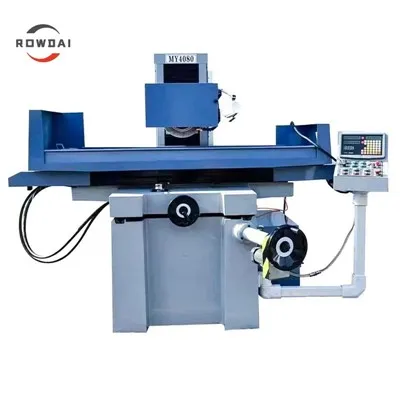
Surface Grinding Machine If you’re in the market for a conventional lathe to enhance your thread – cutting capabilities, we’re here to help. Our team of experts can provide you with the right lathe for your specific needs and offer support throughout the purchasing process. Contact us to start a discussion about how our conventional lathes can meet your machining requirements.
References
- "Modern Machining Technology" by Paul D. Osborn
- "Machinery’s Handbook" by Industrial Press Inc.
Henan Rowdai Machinery Equipment Co., Ltd.
As one of the most professional conventional lathe manufacturers in China, we’re featured by quality products and good price. Please rest assured to buy high-grade conventional lathe for sale here from our factory. If you have any enquiry about cooperation, please feel free to email us.
Address: Building 9, E-Commerce Industrial Park, High-Tech Zone, Zhengzhou, Henan, China
E-mail: rowdai@rowdai.com
WebSite: https://www.rowdai.com/
