Design Considerations for a Condenser in a Distillation Unit
As a supplier of condensers, I’ve witnessed firsthand the critical role these components play in distillation units. A well – designed condenser is not only essential for the efficient operation of a distillation process but also impacts the overall productivity and cost – effectiveness of the system. In this blog, I’ll delve into the key design considerations for condensers in distillation units. Condenser
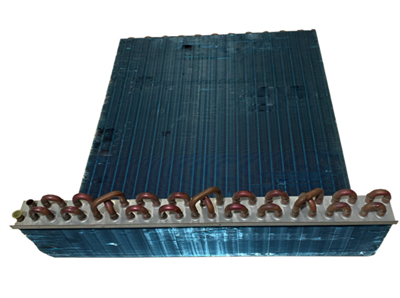
1. Heat Transfer Efficiency
One of the primary design goals of a condenser is to achieve high heat transfer efficiency. The condenser’s main function is to remove heat from the vapor phase, causing it to condense back into a liquid. The heat transfer rate is determined by several factors, including the surface area available for heat transfer, the temperature difference between the vapor and the cooling medium, and the thermal conductivity of the materials used.
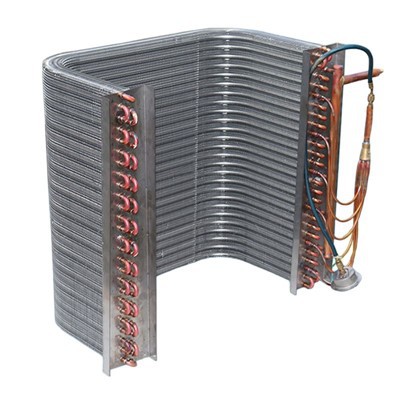
- Surface Area: A larger surface area allows for more heat to be transferred. Condensers are often designed with fins or tubes to increase the surface area. For example, shell – and – tube condensers are a popular choice because they offer a large surface area within a relatively compact space. The tubes provide a large area for the vapor to come into contact with the cooling medium, enhancing heat transfer.
- Temperature Difference: The greater the temperature difference between the vapor and the cooling medium, the higher the heat transfer rate. However, it’s important to ensure that the temperature difference is within a reasonable range to avoid issues such as excessive fouling or corrosion. In some cases, multiple cooling stages may be used to optimize the temperature difference and improve heat transfer efficiency.
- Thermal Conductivity: The materials used in the condenser should have high thermal conductivity to facilitate heat transfer. Common materials include copper, stainless steel, and aluminum. Copper is known for its excellent thermal conductivity, but it may not be suitable for all applications due to its susceptibility to corrosion in certain environments. Stainless steel is more corrosion – resistant and is often used in applications where the vapor or cooling medium is corrosive.
2. Condensate Drainage
Proper condensate drainage is crucial for the efficient operation of a condenser. If condensate is not drained effectively, it can accumulate in the condenser, reducing the available surface area for heat transfer and potentially causing water hammer or other operational problems.
- Drainage Design: The condenser should be designed with a slope or a drain system that allows the condensate to flow freely. In some cases, a condensate pump may be required to ensure that the condensate is removed from the system. The drain pipes should be sized appropriately to handle the expected flow rate of condensate.
- Preventing Backflow: Backflow of condensate can lead to issues such as flooding and reduced heat transfer efficiency. Check valves or other flow – control devices can be installed to prevent backflow and ensure that the condensate flows in the desired direction.
3. Pressure Drop
Pressure drop is another important consideration in condenser design. A high pressure drop can increase the energy consumption of the distillation unit and may also affect the performance of other components in the system.
- Flow Path Design: The design of the flow path for the vapor and the cooling medium can have a significant impact on the pressure drop. A smooth and well – designed flow path can minimize the pressure drop. For example, in a shell – and – tube condenser, the tube layout and the baffle design can be optimized to reduce the pressure drop.
- Vapor Velocity: The velocity of the vapor in the condenser also affects the pressure drop. Higher vapor velocities generally result in higher pressure drops. Therefore, it’s important to design the condenser to maintain an appropriate vapor velocity to balance heat transfer efficiency and pressure drop.
4. Material Selection
The choice of materials for the condenser depends on several factors, including the nature of the vapor and the cooling medium, the operating temperature and pressure, and the required corrosion resistance.
- Corrosion Resistance: If the vapor or the cooling medium is corrosive, the condenser materials must be able to withstand the corrosive environment. Stainless steel, titanium, and certain alloys are commonly used in corrosive applications. For example, in a distillation unit that processes acidic vapors, a stainless – steel condenser may be the best choice.
- Mechanical Strength: The condenser materials should also have sufficient mechanical strength to withstand the operating pressure and temperature. In high – pressure applications, materials with high tensile strength and ductility are required.
- Compatibility: The materials used in the condenser must be compatible with the vapor and the cooling medium. Incompatible materials can lead to chemical reactions, fouling, and reduced performance.
5. Operational Flexibility
A condenser should be designed to accommodate a range of operating conditions. This includes variations in the flow rate, temperature, and composition of the vapor and the cooling medium.
- Variable Load Operation: The condenser should be able to operate efficiently at different load levels. This may require the use of adjustable components, such as variable – speed fans or pumps, to control the flow rate of the cooling medium.
- Composition Changes: If the composition of the vapor changes during the distillation process, the condenser should be able to adapt. For example, if the vapor contains different components with different condensation temperatures, the condenser design should ensure that all components are effectively condensed.
6. Maintenance and Cleaning
Ease of maintenance and cleaning is an important consideration in condenser design. Over time, condensers can accumulate fouling, which can reduce heat transfer efficiency and increase energy consumption.
- Accessibility: The condenser should be designed to allow easy access for inspection, maintenance, and cleaning. This may include removable panels, access ports, and clean – in – place (CIP) systems.
- Fouling Resistance: Materials and surface treatments can be selected to reduce fouling. For example, smooth surfaces are less likely to accumulate fouling than rough surfaces. Additionally, coatings can be applied to the condenser surfaces to prevent fouling.
7. Safety
Safety is a top priority in the design of condensers. The condenser should be designed to prevent leaks, explosions, and other safety hazards.
- Pressure Relief: Pressure relief devices, such as safety valves, should be installed to prevent over – pressurization of the condenser. These devices are designed to open when the pressure exceeds a certain limit, releasing the excess pressure and preventing damage to the condenser.
- Material Integrity: The materials used in the condenser should be able to withstand the operating conditions without failure. Regular inspections and testing can help ensure the integrity of the condenser and prevent safety issues.
In conclusion, the design of a condenser in a distillation unit requires careful consideration of multiple factors, including heat transfer efficiency, condensate drainage, pressure drop, material selection, operational flexibility, maintenance, and safety. As a condenser supplier, we understand the importance of these design considerations and are committed to providing high – quality condensers that meet the specific needs of our customers.
Evaporator If you are in the market for a condenser for your distillation unit, we would be delighted to discuss your requirements and provide you with a customized solution. Contact us to start a procurement discussion and take the first step towards optimizing your distillation process.
References
- Incropera, F. P., & DeWitt, D. P. (2002). Fundamentals of Heat and Mass Transfer. John Wiley & Sons.
- Green, D. W., & Perry, R. H. (2007). Perry’s Chemical Engineers’ Handbook. McGraw – Hill.
- Coulson, J. M., & Richardson, J. F. (1999). Chemical Engineering Volume 6: Chemical Engineering Design. Butterworth – Heinemann.
Xiangshui Derkang Refrigeration Equipment Co., Ltd.
As one of the most professional condenser manufacturers in China, we’re featured by quality products and low price. If you’re going to buy discount condenser, welcome to get quotation from our factory. We also accept customized orders.
Address: No. 2, Xiaojian Town Entrepreneurship Park, Xiangshui County
E-mail: 505745223@qq.com
WebSite: https://www.xsderk.com/
